The High-Altitude Reality
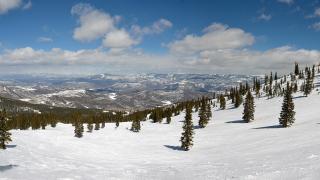
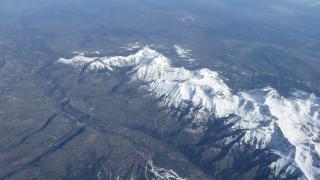
Colorado’s high altitude demands specific preparation. The air is thin, reducing oxygen levels significantly. This affects physical stamina immediately. Travelers must acclimate slowly to avoid altitude sickness. Sun intensity is extreme at higher elevations. UV radiation is stronger due to thinner atmosphere. You must apply high-SPF sunscreen regularly. Reapply every two hours, even on cloudy days. Weather changes rapidly in the Rocky Mountains. Afternoon thunderstorms are common in summer months. Plan outdoor activities for early morning hours. Afternoons often bring sudden rain or hail. Flexible planning is essential for safety. Check daily forecasts before starting any hike. Prepare for cold temperatures, even in summer. Snow can fall at high elevations year-round. Layer clothing to manage temperature changes. Carry extra water, as dehydration occurs quickly. Hydration is critical at high altitudes. Rest frequently to adjust to the thin air. Do not overexert yourself on the first day. Allow time for acclimatization before strenuous activity. Respect the environment and local conditions. Always carry essential gear for sudden weather shifts. Safety depends on preparation and awareness. Stay informed about local weather alerts. Be prepared for rapid changes in conditions. Always prioritize safety over schedule. Check local conditions before starting any activity. Be prepared for sudden weather changes. Always carry extra water and layers. Stay hydrated and rest frequently. Respect the high-altitude environment. Plan carefully for safety. Be prepared for sudden changes. Stay alert and aware. Always prioritize safety. Be prepared for anything. Stay safe and enjoy the view. Be prepared for the unexpected. Stay safe and enjoy the journey. Be prepared for all conditions. Stay safe and enjoy Colorado.
Summer: Peak Season and Monsoon Risks
July and August mark Colorado’s peak tourist season. Crowds fill mountain towns and national parks. You must book lodging and campsites months in advance. Last-minute availability is rare and expensive. Summer weather offers ideal conditions for hiking. Daytime temperatures in the Rockies range from 70 to 80 degrees Fahrenheit. Nights remain cool, often dropping below 50 degrees. This climate supports long days for outdoor exploration. However, afternoon thunderstorms are common and dangerous. Monsoon season typically begins in mid-July. These storms bring sudden lightning and flash floods. Hikers should start trails early in the morning. Seek shelter before clouds build over peaks. Avoid high-elevation passes during storm warnings. Road closures occur frequently due to heavy rain. Traffic congestion increases significantly on weekends. Popular destinations like Rocky Mountain National Park require timed entry permits. Plan your itinerary around weather forecasts. Carry rain gear and warm layers. Stay informed about local alert systems. The summer heat can be intense in lower elevations. Denver and surrounding areas often exceed 90 degrees. Hydration is critical during these hot spells. Drink water frequently, even if you do not feel thirsty. Altitude increases dehydration risks significantly. Monitor your physical condition closely. If you feel dizzy, stop and rest. Summer is the best time for wildflower viewing. Alpine meadows bloom in vibrant colors. This natural spectacle attracts many photographers. However, the beauty comes with safety responsibilities. Respect wildlife and stay on marked trails. Leave no trace to preserve the environment. Proper preparation ensures a safe and enjoyable visit. The risks are manageable with careful planning. Always check the forecast before heading out. Be prepared for rapid weather changes. The high altitude affects all travelers equally. Stay hydrated and pace yourself. Enjoy the stunning views with caution. The summer landscape is beautiful but demanding. Respect the power of nature at all times.
Autumn: Crisp Air and Crowds
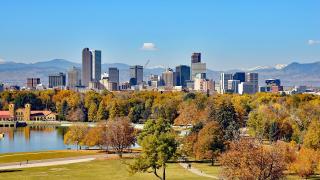
September offers ideal conditions for visiting Colorado. Daytime temperatures remain warm, while nights turn crisp. This balance creates comfortable hiking and driving conditions. The state’s iconic golden aspens begin to change color. This peak foliage typically occurs in late September. Crowds thin slightly after Labor Day, but weekends remain busy. You must book lodging in advance for mountain towns. Early snow is a significant risk in high elevations. Sudden storms can close high mountain passes by October. Check road conditions frequently before traveling to high altitudes. Cold nights are common, even in early autumn. Pack warm layers for evening activities and high-altitude hikes. The clear, dry air enhances visibility for scenic drives. However, the thin air still affects physical stamina. Hydration remains critical during daytime activities. The golden aspense provide a stunning backdrop for photography. This is the prime time for capturing fall colors. Plan your itinerary around stable weather windows. Be prepared for rapid weather changes in the mountains. Always check local forecasts before starting daily activities. The crisp air makes outdoor exercise refreshing. Yet, the thin air requires careful pacing. Respect the altitude and adjust your pace accordingly. This approach ensures a safe and enjoyable experience. The golden aspense highlight the beauty of the season. This visual spectacle defines the Colorado autumn experience.
Winter: Snow Sports and Cold Weather
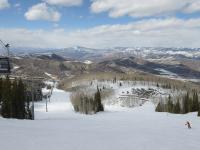
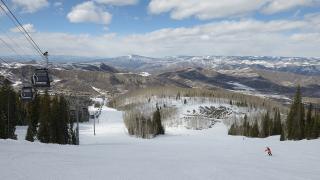
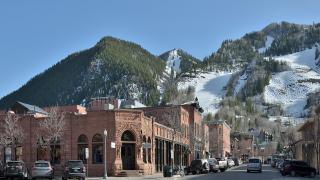
December through March offers world-class winter sports. Ski resorts in the Rocky Mountains receive heavy snowfall. Skiers and snowboarders access world-class slopes daily. Cold weather gear is essential for safety. Insulated layers and waterproof boots are mandatory. Temperatures often drop below freezing at night. Road conditions change rapidly in winter storms. I-70 and US-24 require four-wheel drive. Chains are often mandatory during snow events. Road closures are common during heavy snowfall. Check CDOT reports before driving in mountains. I-70 is prone to closures during storms. Plan extra time for travel delays. I-70 closures can last for days. Winter driving requires caution and preparation. Ice and snow reduce traction significantly. All-terrain tires are recommended for safety. Cold weather gear is essential for health. Layering is critical for temperature regulation. Wind chill can lower effective temperature quickly. Prepare for extreme cold in high altitudes. Winter sports are the primary winter activity. Skiing and snowboarding are popular winter sports. Snow sports define the Colorado winter experience.
Spring: Unpredictable Weather and Mud
Spring in Colorado brings variable weather and muddy conditions. April and May are the primary months for this transition. Snow remains common at higher elevations above 10,000 feet. Lower elevations, like Denver, experience warmer but unstable temperatures. Daytime highs may reach 70°F, while nights drop near freezing. This variability requires flexible planning. Sudden snowstorms can occur even in late spring. Mud season affects rural roads and high mountain passes. Paved roads are generally clear, but backcountry routes may be impassable. Travelers should check road conditions before hiking or driving. Flexible itineraries are essential for navigating these changing conditions. Spring is ideal for those seeking fewer crowds. However, visitors must prepare for cold, wet, and sunny conditions within the same day. Appropriate gear, including layers and waterproof boots, is necessary. This season offers a quiet alternative to the busy summer months. It is best for travelers who prioritize solitude over guaranteed warm weather. Plan for four seasons in a single day. Be prepared for rapid weather changes in the high country.