
Altitude Acclimatization and Safety
High altitude reduces oxygen availability, affecting physical exertion during walking tours. Denver sits at one mile high, increasing physiological strain. Acclimatization is required for safe exploration. Rest is recommended for the first 24 hours after arrival. Hydration is critical due to dry, thin air. Dehydration risks increase with physical activity. Sun protection is essential due to increased UV exposure at high elevations. Wear sunscreen, sunglasses, and a hat. The sun is stronger at higher altitudes. Plan walks for cooler morning or evening hours. Avoid strenuous activity on the first day. Listen to your body and adjust pace. Hydrate frequently with water, not just alcohol. Alcohol consumption should be limited to prevent dehydration. Rest when feeling fatigued or short of breath. Acute mountain sickness can cause headaches and nausea. Seek lower elevation if symptoms worsen. Stay hydrated to mitigate altitude effects. Plan rest breaks during long walks. Monitor your physical condition closely. Prioritize safety over speed during exploration. Hydration supports acclimatization and overall health.
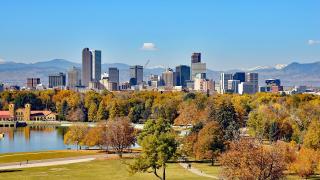
Denver’s downtown offers walkable urban centers. The 16th Street Mall serves as a central hub for pedestrians. This area connects major commercial districts effectively. However, the city’s spread requires strategic planning. Long distances between key landmarks are common. Public transportation complements walking for longer distances. The A Line provides access to outlying areas. This rail option connects Denver International Airport to the city center. The ride takes approximately 37 minutes. A one-way fare costs ten dollars. Free shuttle buses also serve the downtown area. These buses connect Union Station to Civic Center. Note that routes may shift due to construction. Plan your transit options in advance. Identify specific landmarks before starting your walk. This preparation ensures efficient navigation through the urban center. Always check current transit schedules for accuracy. The high altitude may affect physical exertion. Pace your walking accordingly to maintain energy levels. Strategic planning is essential for a smooth experience. Prioritize safety and hydration during your urban exploration. This approach ensures a safe and efficient visit to the city center.
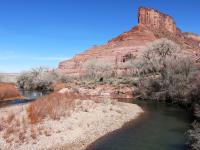
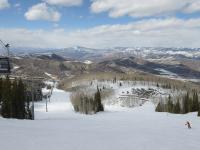
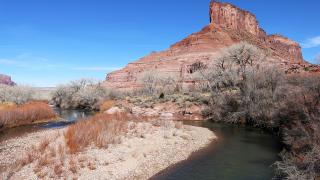
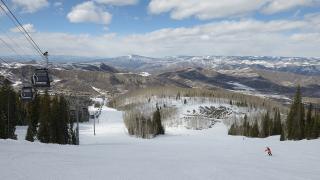
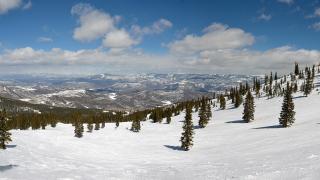
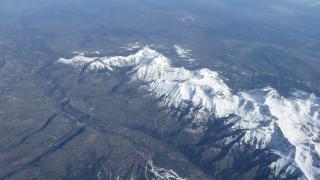
Mountain terrain in Colorado is rugged. Steep inclines define the landscape. Uneven surfaces challenge stability. Sturdy footwear is essential for safety. Hikers must wear boots with grip. Layered clothing manages variable temperatures. Weather changes are sudden and common. Check forecasts before starting any walk. Sun protection is critical at high altitudes. The air is thinner and UV is stronger. Hydration is vital for physical exertion. Plan routes based on current conditions. Be prepared for rapid weather shifts. Respect the environment while walking. Stay on marked trails to protect flora. Be aware of wildlife in the area. Prepare for cold even in summer. Sudden storms can occur without warning. Always carry extra layers and water. Safety depends on proper preparation. Check local alerts before heading out. Ensure you have adequate time for descent. Turn back if conditions worsen. Prioritize safety over reaching the summit. Respect the natural limits of the terrain. Stay hydrated to prevent altitude sickness. Monitor your physical limits closely. Turn back if fatigue sets in. The mountain environment is unforgiving. Prepare thoroughly for every excursion.
Cultural and Historical Context
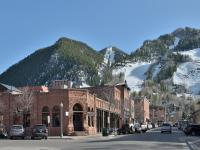
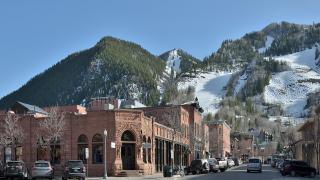
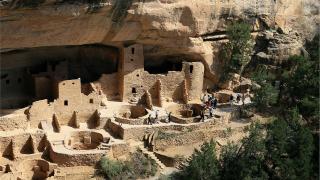
Walking tours in Colorado offer unique historical insights. The state features historic mining towns and buildings. These sites preserve the legacy of the 1859 Gold Rush. Guided tours provide essential context for these locations. Experts explain the cultural significance of old mining camps. This educational approach enhances the overall travel experience. Visitors learn about the challenges faced by early settlers. The tours highlight the transition from mining to modern tourism. This historical context deepens the appreciation of the landscape. Walking through these areas provides a tangible connection to the past. The experience is both educational and immersive. Local guides share specific details about local history. This information enriches the understanding of Colorado's heritage. The focus remains on factual historical accuracy. This approach ensures an informative and engaging experience for all participants.
Practical Planning and Safety
Plan walking tours by assessing distance and elevation. Colorado’s high altitude demands extra hydration. Denver sits one mile high, increasing physical strain. Check weather forecasts for sudden changes. Prepare for rapid weather shifts in mountain areas. Wear sturdy footwear with strong grip. Layer clothing to manage temperature changes. Stay hydrated to prevent altitude sickness. Take regular breaks during strenuous climbs. Be aware of local wildlife in all areas. Maintain a safe distance from wild animals. Carry essential items like a map and compass. Ensure your phone is fully charged. Download offline maps before entering remote areas. Inform someone of your planned route. Check local regulations for specific trail restrictions. Always carry sufficient water and sun protection. SPF is stronger at higher elevations. Wear protective clothing and sunglasses. Plan rest stops at regular intervals. Monitor your energy levels closely. Turn back if conditions become unsafe. Prioritize personal safety over reaching a destination. Respect private property and stay on marked trails. Leave no trace to preserve the environment. Check local alerts for closures or hazards. Be prepared for sudden weather changes. Carry extra food and water. Inform others of your itinerary. Check local regulations for specific trail restrictions. Always carry sufficient water and sun protection. Plan rest stops at regular intervals. Monitor your energy levels closely. Turn back if conditions become unsafe. Prioritize personal safety over reaching a destination. Respect private property and stay on marked trails. Leave no trace to preserve the environment. Check local alerts for closures or hazards. Be prepared for sudden weather changes. Carry extra food and water. Inform others of your itinerary. Check local regulations for specific trail restrictions. Always carry sufficient water and sun protection. Plan rest stops at regular intervals. Monitor your energy levels closely. Turn back if conditions become unsafe. Prioritize personal safety over reaching a destination. Respect private property and stay on marked trails. Leave no trace to preserve the environment. Check local alerts for closures or hazards. Be prepared for sudden weather changes. Carry extra food and water. Inform others of your itinerary.