The High-Altitude Mindset: Preparing for the Rockies
Travelers face unique physical challenges in the Rocky Mountains. High altitude affects stamina immediately. Acclimatization is essential for safety. Colorado’s elevation changes demand respect. Weather patterns shift rapidly at high elevations. Sudden storms can occur without warning. Hikers must prepare for variable conditions. Hydration is critical to prevent altitude sickness. Dehydration risks increase significantly above 8,000 feet. Preparation is a safety necessity, not a comfort measure. Travelers should check specific forecasts daily. Local conditions in places like Rocky Mountain National Park vary greatly. A five-day itinerary requires careful physical planning. Minimal gear may suffice, but safety gear is vital. The state’s diverse landscapes range from alpine to desert. This diversity requires adaptable preparation strategies. Travelers must assess their physical limits daily. The environment is unforgiving to the unprepared. Proper gear and pacing are essential for safety. Always prioritize acclimatization over speed. The high-altitude environment demands constant vigilance. Respect for the terrain is mandatory for all visitors.
Curating the Route: Themes
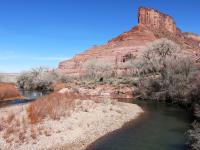
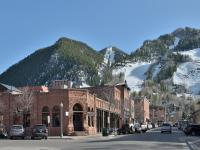
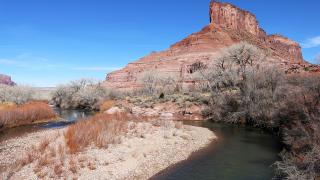
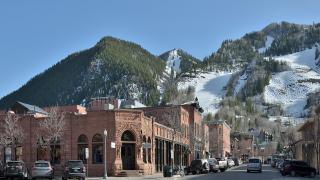
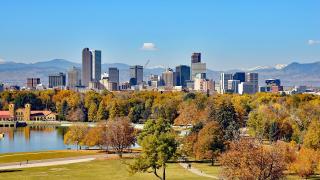
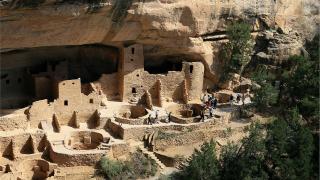
Colorado offers distinct thematic travel routes. Each theme provides a unique experience based on terrain and interest. Travelers must choose carefully based on physical capability and season. The alpine theme focuses on high-altitude exploration. This route demands physical endurance and respect for rugged terrain. Hikers face steep inclines and thin air. The environment is harsh and requires preparation. The desert theme covers red rock formations. This area features warmer climates and unique geology. Historical sites are central to the historic theme. This option offers cultural immersion with less physical exertion. Travelers can explore historic mining towns and heritage sites. The choice depends on personal fitness and interests. Seasonal changes also dictate the best route. Summer months suit high-altitude alpine exploration. Cooler months may limit access to high elevations. Budget considerations are important for all themes. Accommodation costs vary significantly across the state. Travelers should plan expenses for lodging and food. The guide suggests staying outside town centers for better rates. This approach reduces costs while maintaining access to nature. The choice between luxury and budget options is flexible. Travelers can mix high-end hotels with basic camping. The key is aligning the theme with personal preferences. A well-planned route ensures a safe and enjoyable trip. The diversity of landscapes supports various thematic experiences. Whether seeking adventure or relaxation, options are available. The state’s varied topography supports all types of travel. Careful planning ensures a successful and memorable journey.
Travel in Colorado requires careful logistical planning. The state features diverse landscapes, including dramatic Rocky Mountains and deep forests. Travelers often switch between luxury accommodations and backcountry camping. This flexibility requires minimal gear but precise planning. Road trips are central to the experience. However, long travel times are common on challenging roads. High-elevation driving demands extra caution and preparation. Budget considerations are critical, as Colorado is expensive. Travelers should budget for specific costs. For example, staying outside town may reduce costs. Mini-segments in guidebooks help navigate these routes. Travelers must plan for remote areas carefully. Limited services exist in remote regions. Self-sufficiency is essential for safety in these areas. Advance planning is necessary to avoid stress. Smooth travel depends on thorough preparation. Always check road conditions before departure. Ensure your vehicle is suitable for high altitudes. Carry extra water and supplies. Always be prepared for sudden weather changes. Plan accommodation in advance, especially in peak seasons. This ensures a safe and enjoyable experience. Always verify opening hours for remote lodges. Always check fuel availability in rural areas. Always have a backup plan for transport. Always respect local regulations and land use. Always prioritize safety over speed. Always check weather forecasts before heading out. Always carry emergency supplies in your vehicle. Always inform someone of your travel plans. Always be prepared for self-sufficiency in remote areas. Always respect the natural environment. Always follow local guidelines. Always stay informed. Always be prepared. Always be safe.
Seasonal Considerations and Safety
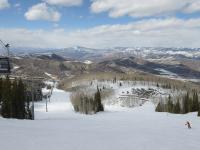
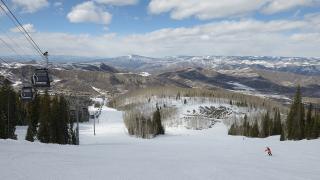
Colorado’s high altitude demands specific seasonal preparation. Summer brings warm weather and long days. Afternoon thunderstorms are common in the mountains. Hikers must plan for sudden weather changes. Winter transforms the landscape into snow-covered terrain. This season offers a quiet, serene atmosphere. Specialized equipment is essential for safe travel. Snow chains or four-wheel drive are often necessary. Travelers should choose their season based on desired experience. Summer suits hiking and high-elevation driving. Winter suits snow sports and quiet reflection. Always check local weather conditions before departure. Road conditions can change rapidly in the Rockies. Be prepared for delays due to weather disruptions. Flexibility is key to a safe journey. Check road closures and trail conditions daily. Plan extra time for travel between destinations. Safety depends on accurate, up-to-date information. Always verify road status before starting your trip. Prepare for all weather possibilities in advance.
Final Planning Checklist and Responsible Travel
Finalize travel plans for specific themes. Verify vehicle condition for high-altitude roads. Check tire pressure and brake systems. Colorado’s elevation changes demand respect. Pack layers for sudden weather changes. Afternoon thunderstorms are common in the mountains. Bring appropriate gear for high-elevation hiking. Review local regulations for protected areas. Respect the 'Leave No Trace' principles. Minimize impact on fragile alpine environments. Protect natural heritage for future generations. Choose sustainable travel options where possible. Support local businesses in mountain towns. Budget carefully for accommodation and fuel. Colorado is one of the most expensive states. Plan for extra costs in remote areas. Ensure all gear is secure in vehicles. Check road closures before departure. Monitor weather forecasts daily. Prepare for rapid weather changes. Respect wildlife and their habitats. Stay on designated trails to protect flora. Leave no trace of your visit. Preserve the natural beauty for others. Enjoy a safe and responsible experience. Focus on meaningful connections with nature. Prioritize safety over speed or convenience. Be prepared for variable conditions. Respect the unique high-altitude environment. Plan for adequate rest and hydration. Stay aware of altitude sickness symptoms. Take breaks at lower elevations if needed. Stay hydrated to combat thin air. Drink plenty of water throughout the day. Avoid alcohol and heavy meals at high elevations. Listen to your body and rest as needed. Be mindful of other travelers on the trail. Share the experience with respect and care. Preserve the natural environment for future generations. Leave no trace of your visit. Take only photos and leave only footprints. Protect the fragile alpine ecosystem. Respect the natural beauty of Colorado. Enjoy the unique high-altitude experience. Be prepared for all conditions. Stay safe and enjoy the journey.