Strategic Routing and Geographic Logic
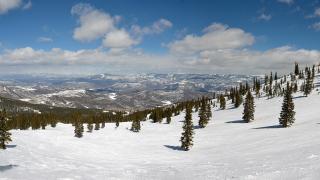
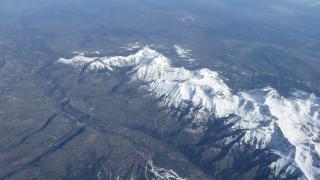
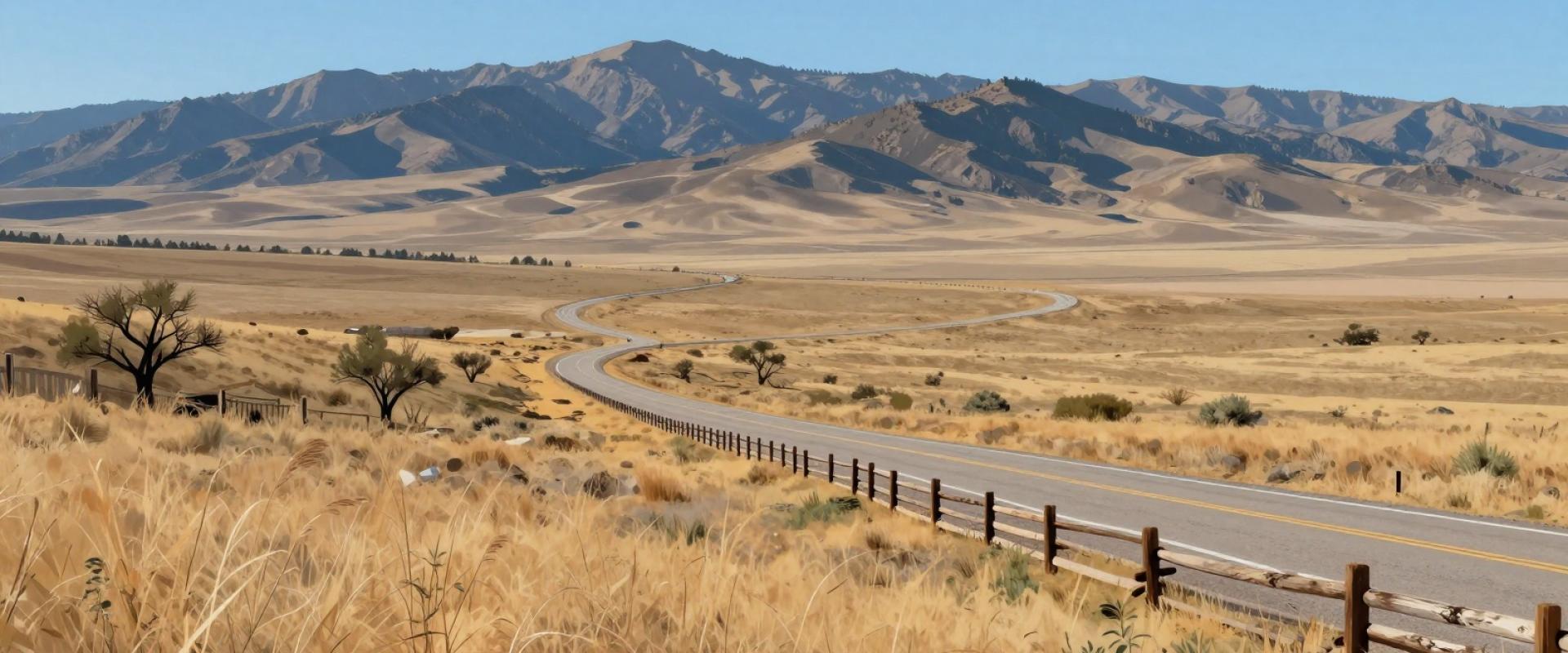
The Rocky Mountains divide Colorado into distinct regions. This topography creates a natural barrier between the Eastern Plains and the Western Slope. Travelers must plan routes carefully around these high-altitude barriers. The terrain is rugged and often impassable in winter. Route planning is critical for safe navigation. Drivers must account for elevation changes and weather conditions. The state's diverse landscape requires strategic planning. Travelers should check road conditions before departure. High-altitude passes can close due to snow. Planning ensures safe and efficient travel across the state. Understanding the geographic logic is essential for any trip.
The Front Range Urban Corridor
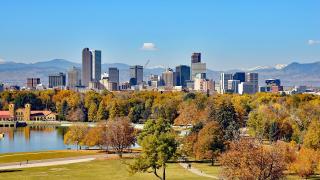
The Front Range serves as the primary transit hub for the state. This corridor connects major urban centers through a dense network of infrastructure. Denver, Fort Collins, and Colorado Springs form the core of this region. Travelers can access these cities via well-maintained highways and public transit. The corridor offers a high density of cultural and commercial attractions. Services are abundant, supporting both local residents and visitors. Infrastructure includes robust transportation links and extensive amenities. This concentration of resources makes the area ideal for regional tours. Visitors can easily navigate between major hubs. The connectivity ensures efficient travel across the metropolitan area. Access to services is reliable and consistent throughout the corridor. This setup supports a seamless travel experience for all visitors.
Western Slope and Mountain Corridors
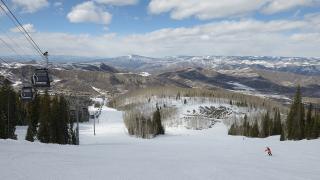
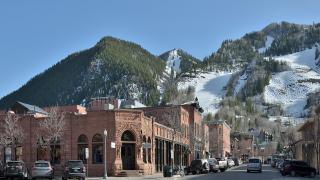
The transition to alpine terrain west of the continental divide defines this region. High-altitude travel presents unique challenges. Road conditions change rapidly with weather. Travelers must prepare for sudden weather shifts. The western slope offers distinct natural beauty. Solitude is common in these high-e corridors. Scenic byways provide access to remote areas. Drivers should monitor road conditions closely. Alpine passes require caution during winter months. The landscape rewards careful planning and preparation. Safety remains the priority for all travelers.
Seasonal Considerations and Access
Colorado’s high altitude dictates travel timing. Winter brings heavy snow to mountain passes. Tire chains are mandatory for many high-elevation roads. Travelers must check road conditions daily. Summer offers accessible high-country routes. However, afternoon thunderstorms are common. Hikers must start early to avoid storms. Acclimatization is critical at high elevations. Altitude sickness affects many visitors. Plan rest days for acclimatization. Advance booking is essential for summer. Lodging fills months in advance. Winter requires specialized winter tires. Chains are often required by law. Check state transportation updates regularly. Road closures are common during storms. Plan extra time for travel. Regional tours depend on weather. Spring brings melting snow and mud. Summer is the peak tourist season. Fall offers clear skies and cool air. Winter requires cold-weather gear. Always check local road conditions. High-altitude travel requires preparation. Acclimatization is essential for health. Plan ahead for a safe trip.
Practical Logistics and Resource Management
Utilize the official Colorado Tourism Office website for accurate regional data. This resource provides verified information on local infrastructure and access points. Plan all accommodation bookings well in advance. High demand in mountain regions requires early reservation to secure lodging. Verify all accommodation details directly with providers before arrival. Confirm check-in times and specific amenity availability. Offline maps are essential for navigation in remote areas. Cellular service is often unavailable in high-elevation rural zones. Download detailed topographic maps before entering the wilderness. Emergency preparedness is critical in high-altitude environments. Carry extra water, food, and warm clothing layers. Monitor weather forecasts daily for sudden changes. Prepare for rapid weather shifts common in the Rockies. Always inform others of your planned route and expected return time. This ensures safety in case of unexpected delays or emergencies.