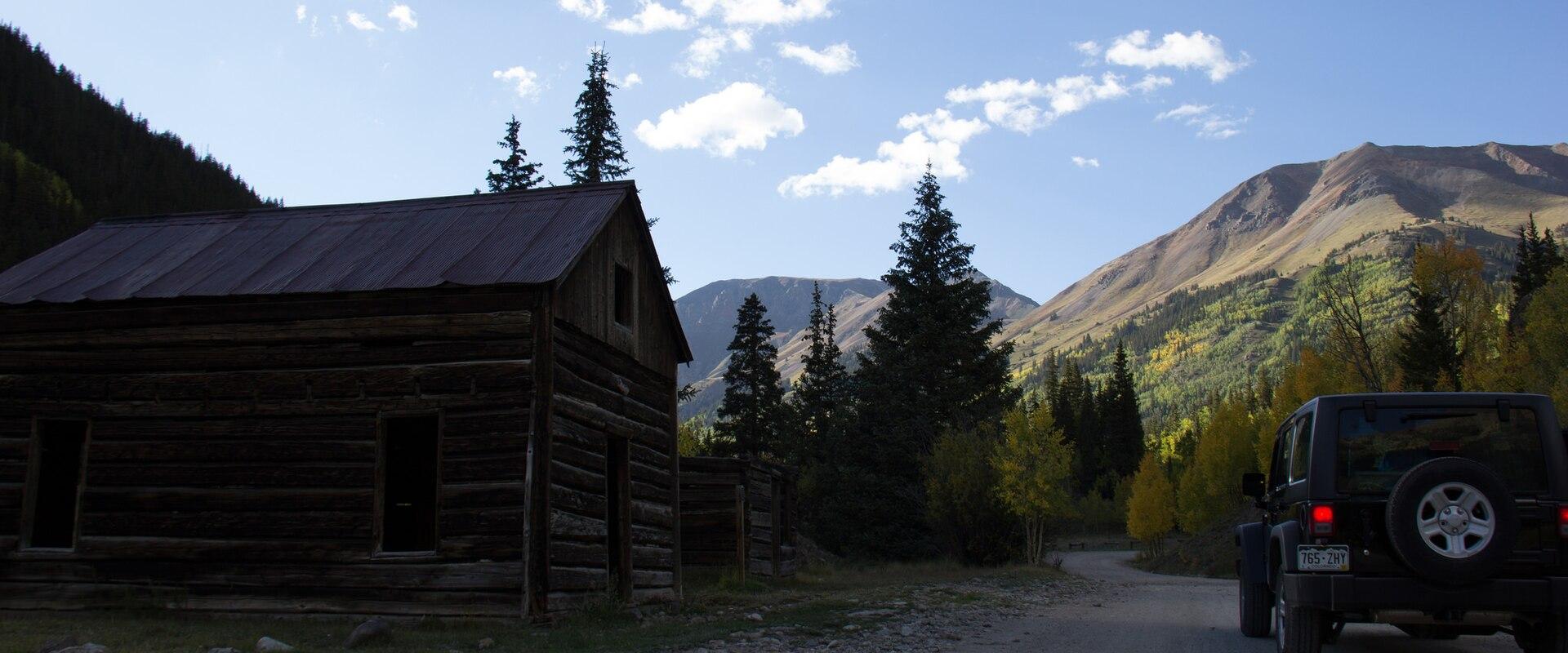
To get away from Colorado's crowds, skip the I-70 ski corridor and Rocky Mountain National Park's busiest trails and head for the San Luis Valley, the Wet Mountain Valley, the far northwest, the Eastern Plains or the small towns of the San Juans. These areas have fewer services, so plan fuel, water and navigation before you go.
Checked: October 2026.
Where to go in Colorado to avoid crowds
Most visitors stay within a couple of hours of Denver, which leaves large parts of the state quiet even in July. Good bets:
| Area | Why go | Nearest larger town |
|---|---|---|
| San Luis Valley | Huge high desert valley ringed by mountains, hot springs, wildlife refuges | Alamosa |
| Wet Mountain Valley | Ranch country under the Sangre de Cristos, very dark night skies | Westcliffe |
| Lake City and the Alpine Loop | Historic mining town and high 4WD passes | Gunnison |
| Creede | Former silver boomtown in a narrow canyon | South Fork |
| North Park | Wide valley known for moose sightings | Walden |
| Dinosaur National Monument | Canyons of the Green and Yampa rivers, fossil quarry | Craig, or Vernal in Utah |
| Pawnee National Grassland | Shortgrass prairie and the Pawnee Buttes | Greeley |
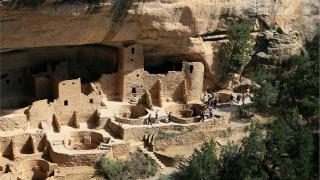
| Canyons of the Ancients | Ancestral Puebloan sites spread over remote mesas | Cortex |
The San Luis Valley
The San Luis Valley in south-central Colorado is a broad, flat basin at over 7,000 feet. Great Sand Dunes National Park is its best-known sight, but the rest of the valley gets far fewer visitors.
- Zapata Falls: A short, steep trail south of the dunes leads to a waterfall hidden inside a narrow rock cleft. Reaching it means wading in very cold water, and the rocks can be icy even in early summer.
- Crestone: A tiny town at the foot of the Sangre de Cristo Mountains with a number of spiritual retreat centers and trailheads into the range.
- Wildlife refuges: The Monte Vista and Alamosa National Wildlife Refuges draw thousands of migrating sandhill cranes each spring and fall.
- Colorado Gators Reptile Park: An alligator farm near Mosca that uses geothermal water to keep the animals warm at high altitude. It is one of the state's odder roadside stops.
- Del Norte and the Rio Grande: Del Norte is a quiet ranching town on the Rio Grande, close to Penitente Canyon's climbing and hiking.
Dark skies in the Wet Mountain Valley
Westcliffe and Silver Cliff together were named an International Dark Sky Community, and the valley has some of the darkest night skies within a few hours of Denver and Colorado Springs. Come around a new moon in late summer to see the Milky Way. The town sits at the base of the Sangre de Cristo Mountains, with trailheads to alpine lakes a short drive away.
Quiet canyons and parks
Colorado's busiest national park gets millions of visitors a year, but several other protected areas see a fraction of that:
- Black Canyon of the Gunnison, North Rim: The North Rim is reached by an unpaved road and has far fewer visitors than the South Rim. The road closes in winter, so check access before you go.
- Colorado National Monument: Near Grand Junction, Rim Rock Drive offers red-rock canyon views with much smaller crowds than the national parks in nearby Utah.
- Dinosaur National Monument: Straddling the Colorado-Utah line, its Colorado side includes the Harpers Corner Road with views over the river canyons. The famous fossil wall is on the Utah side.
- Flat Tops Wilderness: A plateau of lakes and meadows in northwest Colorado, with Trappers Lake as a common starting point.
Mountain towns without the resort crowds
Not every mountain town is a ski resort. Lake City, Creede, Silverton, Westcliffe, Salida and Buena Vista in Chaffee County, and Paonia on the Western Slope have historic main streets and fewer tour buses than Aspen or Vail. Chaffee County also has several hot springs along the Arkansas River valley.
Remote areas need more preparation than a day in Denver or Estes Park.
- Fuel: Gas stations can be 60 miles or more apart. Fill up whenever you pass one, especially on the Eastern Plains and in the San Juans.
- Cell coverage: Service drops out in many valleys and canyons. Download offline maps and carry a paper road map as a backup.
- Road types: County roads and Forest Service roads range from smooth gravel to rough 4WD tracks. High-clearance 4WD routes such as the Alpine Loop are not suitable for regular rental cars, and some rental agreements ban off-pavement driving.
- Weather: Afternoon thunderstorms, sudden hail and early snow are common at elevation. Be off high passes and exposed ground before storms build.
- Water and supplies: Carry more water and food than you expect to need, plus warm layers.
- Tell someone: Share your route and expected return time with a friend before heading into the backcountry.
- Rescue support: Buying a CORSAR card helps fund the county search and rescue teams who work in these areas.
Respecting quiet places
The quiet in these areas depends on visitors treating them well. Follow Leave No Trace principles, camp only in established or permitted sites, respect private ranch land along county roads, and leave archaeological sites and artifacts exactly as you find them. At Canyons of the Ancients, it is illegal to remove or disturb artifacts on federal land.