
The Elevation Ethos
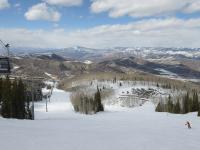
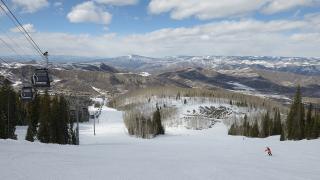
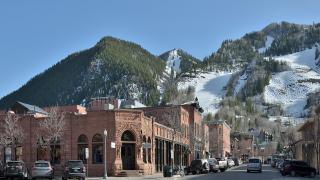
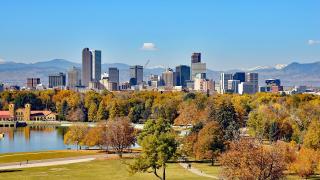
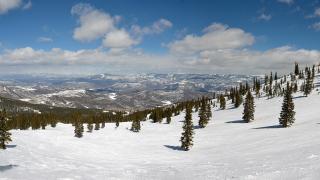
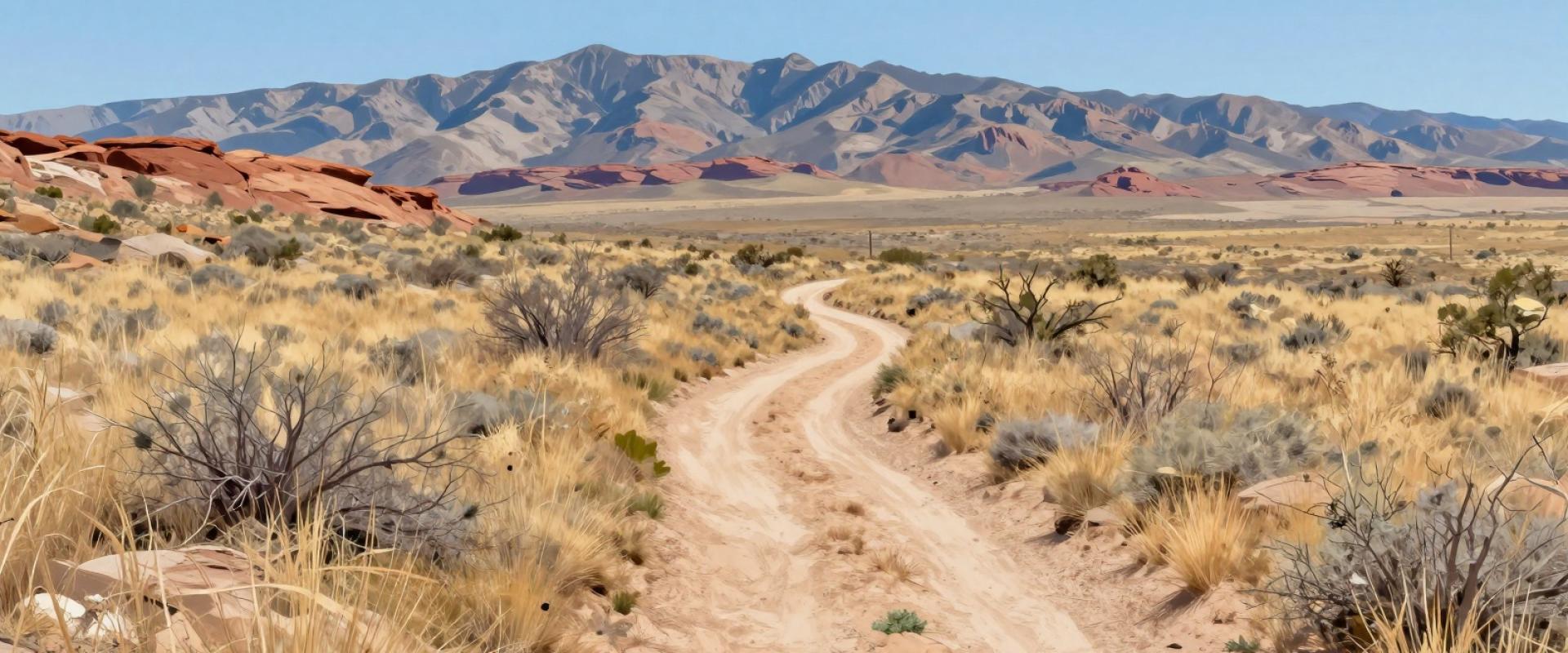
Colorado residents prioritize elevation in daily life. This altitude defines local identity and social interaction. People frequently discuss high elevations as a point of pride. Sea level is often viewed as undesirable by locals. The state features vast Rocky Mountain ranges. This geography shapes a unique cultural perspective. Residents value fitness and outdoor engagement. They focus on living rather than abstract goals. The environment supports a year-round active lifestyle. Sun is abundant, with approximately 300 days annually. This climate allows for diverse outdoor activities. Skiing and hiking are common daily practices. The landscape includes prairies with ranching traditions. Staying on range is a common practice. Locals respect the high-altitude environment deeply. This respect is central to local customs. Elevation is a source of local pride. It is a core part of the culture. The community bonds over shared high-altitude experiences. This shared experience fosters a unique local ethos. It distinguishes Colorado from other regions. The altitude is a central theme in conversation. It is a key part of local identity.
Trail Etiquette and Stewardship
Colorado’s high-altitude environment demands specific trail etiquette. The thin air and fragile alpine ecosystem require strict adherence to local customs. Hikers must stay on designated trails to protect fragile alpine tundra. These plants grow slowly and are easily damaged by foot traffic. Stepping off-trail causes long-term ecological damage that is difficult to reverse. Trail users must yield to uphill traffic. This is a standard rule in the Rocky Mountains. Uphill hikers face greater physical exertion due to the steep grade. Stopping to let them pass is a sign of respect. It ensures safety and maintains a positive atmosphere on the trail. All trash must be packed out. This includes biodegradable waste like fruit peels and food scraps. These items do not decompose quickly in high-altitude environments. Leaving trash disrupts local wildlife and degrades the natural landscape. Stewardship is a shared responsibility for all visitors. Respecting the environment ensures the land remains pristine for future visitors. Colorado’s unique climate makes these rules essential for conservation. Hikers must be mindful of their impact on the fragile alpine ecosystem. Adhering to these guidelines preserves the natural beauty of the region. It ensures that the landscape remains intact for future generations to enjoy. This approach supports the local ecosystem and maintains the integrity of the trail system.
Wildlife and Safety Protocols
Colorado’s rugged terrain hosts diverse wildlife, including bears, moose, and elk. Residents prioritize safety through strict distance protocols. Always maintain a safe distance from all wild animals. This rule applies to bears, moose, and elk alike. Do not feed or approach wild animals under any circumstances. Feeding wildlife alters natural behaviors and endangers both animals and humans. Be aware of animal activity at all times. Do not assume dawn and dusk are the only active periods. Moose are particularly aggressive in spring and early summer. Carry bear spray in recommended alpine areas. Know how to use it before entering the backcountry. Store food in bear-proof containers when camping. This practice prevents habituation and protects local ecosystems. Respect for wildlife is a core local custom. Coloradans view animals as neighbors, not attractions. Keep a safe distance to ensure mutual safety. This approach preserves the natural balance of the Rocky Mountains. It also protects visitors from potential injuries. Always check local alerts for specific animal activity. Heed all warnings posted by park rangers. Your safety depends on respecting these boundaries. Adhering to these guidelines ensures a safe experience for everyone. It also protects the wildlife that defines Colorado’s unique landscape. Always prioritize the safety of the animals above all else.
Colorado residents prioritize physical fitness and outdoor engagement. This lifestyle defines daily social norms and interactions. Dress in comfortable, athletic wear to blend in. Casual sportswear is standard across all local settings. Locals view high activity levels as essential for health. The culture emphasizes living fully rather than pursuing wealth. People are super fit and super friendly. They focus on simple living and mental well-being. Outdoor activity is central to local identity and routine. Residents engage in hiking, skiing, and rafting year-round. Approximately 300 days of sun support this versatility. You can ski and hike in the same day. Respect the local emphasis on health and nature. Engage with locals in a respectful and considerate manner. Avoid imposing urban expectations on this active community. The landscape features prairies and rugged mountain ranges. Staying on designated trails is a common expectation. This stewardship protects the fragile alpine ecosystem. Locals appreciate visitors who share their respect for nature. Elevation is a frequent topic of conversation. People discuss high altitudes as a point of pride. Sea level is often dismissed as undesirable. This elevation obsession drives much of the social dynamic. Understanding this context helps visitors integrate smoothly. Be open to the idea that outdoors is life. This mindset shapes local customs and social expectations.
Cannabis Etiquette and Legalities
Colorado legalized recreational marijuana, a fact locals find bemusing given the state's high quality of life. However, this legal status comes with strict social and legal boundaries. You must respect these norms to ensure a safe and compliant visit.
Public Consumption is Prohibited
Do not consume marijuana in public spaces. This includes streets, parks, and sidewalks. Enforcement is active, and violations result in fines. Keep consumption strictly private. You may only use cannabis on private property. You must have explicit permission from the property owner. This rule applies to rental homes and hotels as well. Many accommodations explicitly ban smoking or vaping on-site.
Transportation Restrictions
Do not transport marijuana across state lines. Federal law prohibits this, regardless of state legality. Border checkpoints enforce these rules strictly. Possession can lead to serious legal consequences. Keep all products within Colorado’s borders. Do not attempt to carry cannabis into neighboring states.
Respect Local Norms
Coloradans value their outdoor lifestyle and privacy. Respect the comfort of others by keeping consumption discreet. Avoid strong odors in shared spaces. Be mindful of non-users who may be sensitive. Always check local signage for specific restrictions. Ignorance of the law is not a valid defense. Adhere to all posted regulations to avoid penalties. Stay informed about changing local ordinances. Responsible use ensures a positive experience for everyone.