High-Altitude Acclimatization
High altitude affects the body significantly in Colorado. Acute mountain sickness is common above 8,000 feet. You must acclimate properly to avoid severe health risks. Hydration is critical for managing altitude effects effectively. Dehydration accelerates the onset of altitude sickness symptoms. Avoid alcohol and strenuous activity in the first 24 hours. These actions help your body adjust to lower oxygen levels. Acclimatization takes time and cannot be rushed safely. Do not rush physical exertion during the initial days. Rest is essential for adapting to the thin air. Listen to your body and pace your activities carefully. Sudden changes in elevation can cause serious health issues. Always prioritize safety over speed when exploring high elevations. Monitor your physical condition closely throughout your stay. Seek medical attention if symptoms worsen or persist. Proper preparation ensures a safe and enjoyable experience.
Sun Exposure and UV Protection
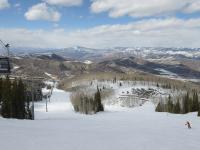
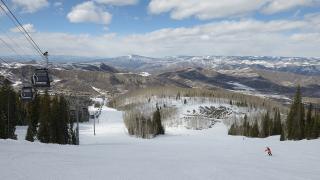
Colorado’s high altitude intensifies UV radiation significantly. UV intensity increases by approximately 4% for every 1,000 feet of elevation. This is critical in the Rocky Mountains. Snow reflection can double your UV exposure. Snow reflects up to 80% of UV rays. This increases the risk of severe sunburn. You must use SPF 30 or higher sunscreen. Apply it generously to all exposed skin. Reapply sunscreen every two hours strictly. Reapply immediately after swimming or heavy sweating. Wear protective clothing to shield your skin. Choose loose, tightly woven fabrics for coverage. Wear a wide-brimmed hat to protect your face. UV-protective eyewear is essential for eye safety. Sunglasses with UV400 protection are necessary. The sun is strongest between 10 a.m. and 4 p.m. Seek shade during these peak hours. Check the local UV index daily. Plan outdoor activities for early morning or late afternoon. This strategy minimizes direct exposure to intense rays. Staying hydrated is also crucial for health. Dehydration worsens the effects of sun exposure. Always carry water during high-altitude activities.
Wildlife Safety Protocols
Maintain a safe distance from all wildlife in Colorado. Keep at least 100 yards from bears. This distance is critical for your safety. Bears are unpredictable and can move quickly. Stay 25 yards away from other large animals. This includes elk, moose, and bighorn sheep. These animals are large and can be aggressive. Never approach or feed any wild animal. Feeding wildlife alters natural behaviors and is dangerous. It makes animals dependent on humans. Always carry bear spray in bear country. Know how to use it before you go. Make noise while hiking to avoid surprises. Talk, clap, or use bear bells. This alerts animals to your presence. Give them space to move away. Do not run if you encounter a bear. Run slowly backward if a bear approaches. Stay calm and stand your ground. Do not make sudden movements. Always be aware of your surroundings. Watch for tracks, scat, or signs of life. Be extra cautious in dense brush. Listen for rustling in the undergrowth. Always let someone know your hiking plan. Carry a map and a charged phone. These steps ensure a safe experience in the wild.
Weather and Hydration Risks
Colorado weather changes rapidly. Sudden storms are common in the Rockies. Temperatures drop quickly at high elevations. You must prepare for variable conditions. Layer clothing to manage temperature shifts. Wear moisture-wicking base layers. Add insulating mid-layers for warmth. A waterproof outer shell is essential. Sudden cold snaps can occur in summer. Always carry extra warm layers. Hydration is critical in dry, high-altitude air. Drink water regularly, even if not thirsty. Dehydration risks increase with altitude. Monitor your fluid intake closely. Carry extra water on all hikes. Check weather forecasts before starting activities. Be prepared for sudden weather changes. Always inform someone of your itinerary. This ensures safety during unexpected events. Stay alert to changing conditions. Prioritize safety over reaching a summit. Respect the mountain environment at all times.
Emergency Preparedness and Communication
Ensure mobile phones are fully charged before hiking. Carry a portable charger for all devices. Use satellite communicators in remote areas without cell service. This is critical in the Rocky Mountains. Inform a trusted contact of your itinerary. Share your specific emergency plan with them. Carry a basic first aid kit at all times. Know the location of the nearest medical facility. This is essential for quick response. In an emergency, call 911 immediately. Use your satellite communicator if cellular service fails. These tools are vital for safety. Always verify insurance covers emergency evacuation. This is standard for high-altitude travel. Prepare for variable weather conditions. Layer clothing to manage temperature changes. Stay alert to changing weather patterns. Sudden storms are common in the Rockies. Always prioritize safety over speed. Be prepared for unexpected delays. Stay hydrated and rest frequently. Monitor your physical condition closely. Report any health issues immediately. Seek professional help if needed. Do not ignore signs of distress. Stay informed about local conditions. Check weather forecasts daily. Plan your route carefully in advance. Always carry essential supplies. Be prepared for any eventuality. Stay safe and enjoy the outdoors.