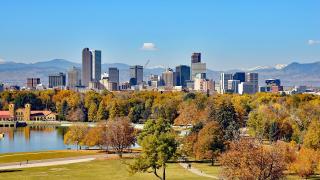
The Front Range corridor offers efficient transit options for travelers. RTD light rail provides direct access from Denver International Airport to downtown. The A-Line connects the airport to Union Station in approximately 37 minutes. This rail service is a reliable alternative to driving. It avoids traffic congestion on I-70 and I-25. For local mobility, the RTD bus network covers the metro area. Buses connect major neighborhoods and commercial districts. Walkability is high in downtown Denver. Many attractions are within walking distance of each other. This reduces the need for vehicles in the core. The 16th Street Mall is a pedestrian-friendly zone. It connects major hotels and retail centers. Buses and free shuttles supplement walking. This combination supports efficient urban mobility. Travelers can navigate the city without a car. The infrastructure supports both tourists and residents. The system is integrated and easy to use. Fares are affordable for short trips. The rail and bus network is reliable. It provides a consistent travel experience. This infrastructure supports the region's growth. It is a key part of the transit plan. The design prioritizes accessibility and efficiency. Travelers can rely on this system for daily needs. It is a key feature of the region.
The Four-Wheel Advantage
Public transit serves the Front Range corridor effectively. However, exploring rural areas requires a personal vehicle. Renting a car is essential for accessing remote mountain regions. Major transit hubs offer rental agencies for convenience. SUVs are recommended for high-elevation roads. These vehicles handle steep grades and rough terrain better. All-wheel drive provides necessary traction in winter conditions. Snow can make driving difficult without proper equipment. Travelers should plan routes carefully before departure. Elevation changes significantly impact vehicle performance and safety. Always check weather conditions before starting a drive. Afternoon thunderstorms are common in the summer months. Plan travel times to avoid sudden weather changes. A personal vehicle offers flexibility for rural exploration. Public transit is limited outside major urban centers. Renting a car ensures access to remote areas. This approach allows for flexible itinerary planning. Consider the terrain when selecting a vehicle type. Safety depends on appropriate vehicle selection for the conditions.
Mountain passes close in winter, typically from late October to late May. Travelers must check road conditions via CDOT or 511 Colorado before departure. Weather changes rapidly in high elevations, even during summer months. Afternoon thunderstorms are common in July and August, creating hazardous driving conditions. Drivers should monitor real-time updates for closures or chain requirements. Carrying chains or traction devices is essential for winter travel. These tools ensure safety when ice or heavy snow blocks standard tires. Always verify current road status before starting your journey. This preparation prevents getting stranded in remote, high-altitude areas. Proper planning ensures a safe transit through the Rocky Mountains. Always prioritize safety over speed when navigating these challenging routes.
Local Transit and Shuttle Options
Most mountain towns offer free or low-cost shuttle services. These shuttles connect hotels, resorts, and key attractions. This option is ideal for travelers without cars. Eagle County Regional Airport provides shuttle services to nearby towns. Travelers should check local schedules for seasonal variations. Service frequency often changes based on the season. Winter months typically see increased demand for these shuttles. Booking in advance is recommended during peak holiday periods. The shuttles provide a convenient alternative to driving. They reduce the need for personal vehicle rental. This option is cost-effective for short local trips. Passengers can access restaurants and shops easily. The service operates on fixed routes within town limits. Schedules may vary on weekends or holidays. Travelers should verify operating hours before departure. This transit option is reliable for daily needs. It is suitable for those avoiding parking fees. The service connects major hotels to main streets. It is a practical choice for short distances. Travelers can reach grocery stores and shops easily. The service is clean and well-maintained. Drivers are professional and knowledgeable about the area. The service is safe and reliable for all travelers. It is a convenient option for those without cars. The service is accessible to all passengers. It is a practical choice for local travel. The service is reliable and consistent. It is a convenient option for daily needs. The service is affordable and accessible. It is a practical choice for all travelers.
Acclimatization and Vehicle Safety
High altitude affects travel in Colorado. Acclimatize by resting at elevation first. Drink water frequently to prevent dehydration. Afternoon thunderstorms are common in summer. Check weather forecasts before driving. Road conditions change rapidly in mountains. Use four-wheel drive for safety. Check for ice on high passes. CDOT provides real-time road status online. Check 511 Colorado before departure. Winter travel requires extra caution. Snow chains may be required. Plan for longer travel times. Alpine roads close in winter. Check for road closures regularly. Prepare for sudden weather changes. Ensure your vehicle is suitable. All-weather tires are recommended. Check tire pressure in cold weather. Brake distance increases on slopes. Drive slowly on steep grades. Use lower gears for control. Be prepared for altitude sickness. Rest if you feel dizzy. Stay hydrated throughout the trip. Local shuttle options are limited. Rent a vehicle for flexibility. Major towns offer public transit. Rural areas require personal transport. Plan routes carefully in advance. Check road conditions daily. Monitor weather updates closely. Be prepared for delays. Respect local driving regulations. Follow all posted speed limits. Yield to oncoming traffic on narrow roads. Stay alert for wildlife crossings. Drive safely to ensure a good trip.