Colorado food is built on green chile, beef, lamb, bison and trout, plus summer fruit from the Western Slope. Drinking is the bigger draw for many visitors: the state has hundreds of craft breweries, a small but serious wine country around Palisade and Paonia, and a growing number of distilleries.
Checked: October 2026.
What food is Colorado known for?
A few dishes and ingredients come up again and again on menus across the state:
- Green chile. Colorado's version is usually a thick pork-and-chile stew, ladled over burritos ("smothered") or served in a bowl with tortillas. Pueblo grows its own variety, the Pueblo chile, and locals argue about it the way New Mexicans argue about Hatch. "Mild" in a Colorado diner can still be hot.
- Bison and elk. Bison burgers and steaks are easy to find in Denver and mountain towns. Elk shows up more often on higher-end menus.
- Colorado lamb. Ranches on the Western Slope and in the San Luis Valley raise lamb that many chefs prefer over imported cuts.
- Trout. Rainbow trout from mountain rivers and farms is a standard dinner choice in places like Salida, Gunnison and Steamboat Springs.
- Rocky Mountain oysters. These are fried bull calf testicles, served mostly as a novelty in Denver steakhouses.
- The Denver omelet. Ham, green pepper and onion; you will find it on breakfast menus across the country, but it carries the city's name.
When to eat Colorado produce
Summer and early fall are the time for local produce, and roadside stands make it easy to find.
| Product | Where it grows | Rough season |
|---|---|---|
| Palisade peaches | Grand Valley, near Grand Junction | Mid-July to September |
| Olathe sweet corn | Uncompahgre Valley, near Montrose | Late July to September |
| Rocky Ford cantaloupe | Arkansas Valley, east of Pueblo | Late July to September |
| Pueblo chiles | Around Pueblo | August to October, roasted in drums |
| Apples and cherries | Paonia and the North Fork Valley | Summer to fall |
Late August through September is when chile roasters set up outside grocery stores and farm stands, and the smell of roasting peppers is hard to miss.
Colorado craft beer
Beer is the drink most visitors associate with the state. Colorado has several hundred breweries, and almost every mountain town has at least one. A few names are worth knowing:
- Golden is home to the Coors brewery, one of the largest single brewing sites in the world.
- Fort Collins has New Belgium and a dense cluster of smaller breweries near Old Town, all walkable or bikeable.
- Denver has the largest concentration of taprooms, especially in the RiNo (River North) and LoHi neighborhoods.
- The Great American Beer Festival, one of the largest beer competitions in the US, is held in Denver every year, usually in the fall.
Many taprooms do not serve full meals and instead let food trucks park outside or allow you to bring in takeout.
Wine country: Palisade and the West Elks
Colorado has two federally recognized wine regions (AVAs). The Grand Valley AVA, along the Colorado River between Palisade and Grand Junction, was the state's first and holds most of its vineyards. The West Elks AVA, along the North Fork of the Gunnison River around Paonia and Hotchkiss, sits higher and grows cool-climate grapes such as Pinot Noir and Riesling. Between them, these two regions grow nearly all of Colorado's wine grapes.
Palisade is the easiest place to taste. Wineries, orchards and fruit stands line a flat loop of country roads east of town, and you can rent bikes to ride between them instead of driving. The Grand Valley is high desert, with hot days and cool nights, and it produces good Cabernet Franc, Riesling and dessert wines made from peaches and other fruit. Tasting fees are standard, and they are often waived if you buy a bottle.
Drinking rules and altitude
- The legal drinking age is 21, and bars, breweries and stores check ID even from people who look much older. Bring your passport if you have no US license.
- Grocery and convenience stores can sell beer and, since 2023, wine. Spirits are sold in liquor stores.
- Open containers are not allowed in cars or in most public places.
- Alcohol tends to hit harder at altitude, especially in your first days, partly because of dehydration. Drink water between beers.
- Cannabis edibles are sold legally to adults 21 and over at licensed dispensaries. They can take an hour or more to work, so start with a low dose and never mix them with driving.
Restaurant tips and tipping
Tipping is expected at sit-down restaurants and bars. Most people leave 18 to 20 percent of the pre-tax bill for table service, and $1 to $2 per drink at a bar. Some Denver restaurants add a service charge or a "kitchen appreciation" fee directly to the bill, so read your receipt before adding a tip on top.
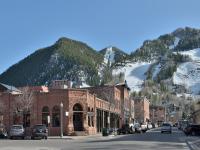
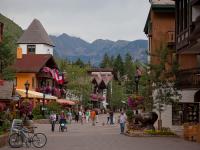
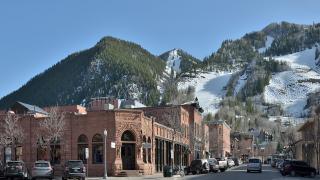
Mountain resort towns such as Aspen, Vail and Telluride are noticeably more expensive than Denver, and popular dinner spots fill up during ski season and summer weekends. Reserve ahead for Friday and Saturday nights. Breakfast places, taquerias and brewery food trucks are the easiest way to eat well without booking.