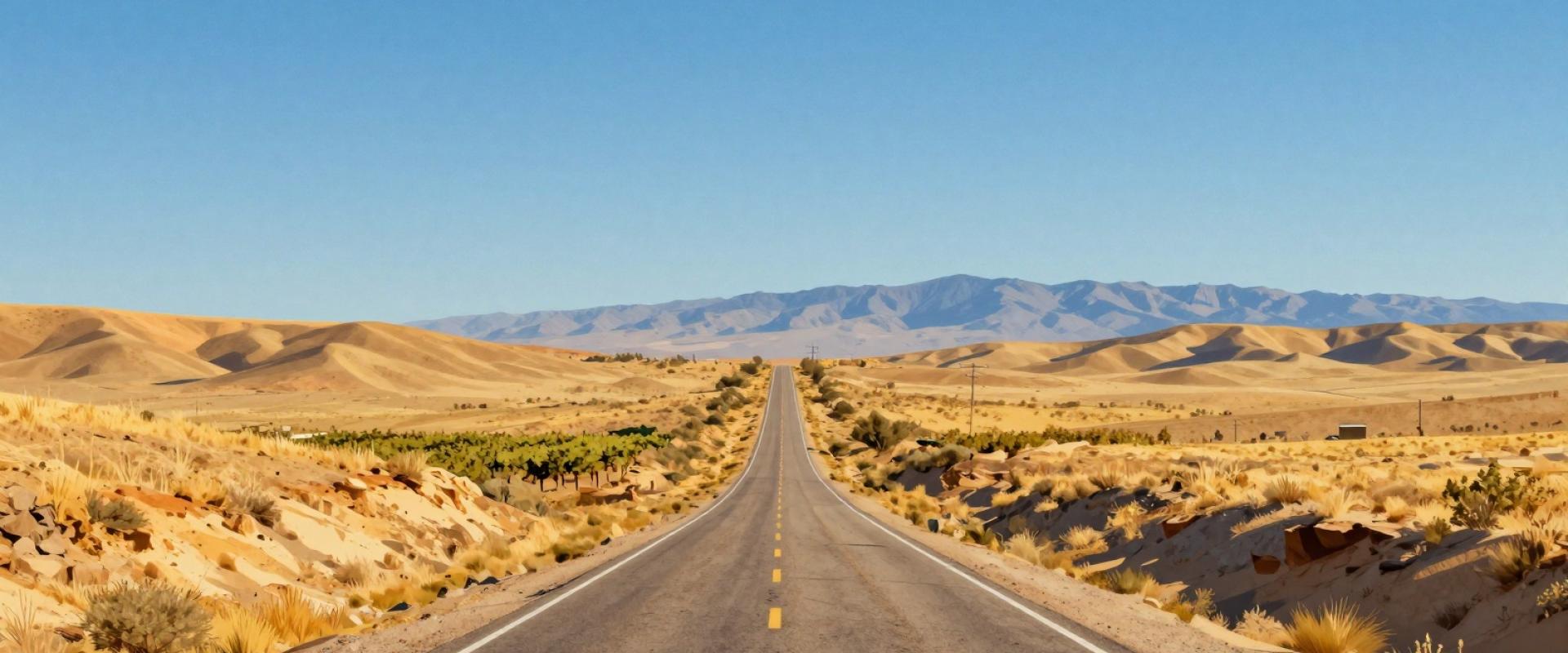
AI-generated illustration
Grand Valley Highlights Tour
4-day tour of Grand Valley's vineyards and canyons
4 days
•
Moderate difficulty
•
Est. $240
Practical Information
Colorado’s Grand Valley, centered around the city of Grand Junction, offers a distinct travel experience defined by its high desert climate and dramatic red rock geology. The optimal time to visit is during the spring (April to May) and fall (September to October). During these months, daytime temperatures are typically mild, ranging from 60°F to 80°F, making outdoor activities comfortable. Summer months can be excessively hot, often exceeding 90°F, while winter brings cold temperatures and potential snow, particularly in the higher elevations of the nearby Bookcliffs. Travelers should check specific seasonal forecasts, as weather can shift rapidly in this high-desert environment.
Getting to the region is straightforward, with Grand Junction serving as the primary hub. The area is served by the Grand Junction Regional Airport (GJT), which offers limited commercial flights, or by driving via Interstate 70, which connects the region to major hubs like Denver and Moab. Once in the area, having a personal vehicle is essential. Public transportation is limited, so renting a car is the most practical way to explore the diverse landscapes, including the Colorado National Monument and the local vineyards.
Accommodation options are centered primarily in the city of Grand Junction, which offers the widest range of hotels, boutique inns, and vacation rentals. Staying in the downtown area provides walkable access to local galleries, shops, and dining options. For those seeking a more rustic experience, there are limited options in nearby towns like Palisade, known for its vineyards, though choices are more limited. It is advisable to book accommodations in advance, especially during the peak harvest season in the fall, as availability can be tight.
Budget considerations should account for the region's focus on agriculture and outdoor recreation. Costs will vary based on accommodation choices, with downtown hotels generally offering more competitive rates than boutique lodges. Budget for meals at local restaurants, which often feature local produce, and allocate funds for entrance fees to state and national parks, such as Colorado National Monument. Additional costs may include gear rentals for hiking or biking, as well as fees for guided tours or vineyard tastings.
When packing, prioritize layers due to the significant temperature fluctuations between day and night. Essential items include sturdy hiking boots, sun protection, and warm layers for early mornings and evenings. Given the high altitude and dry climate, stay hydrated by carrying ample water and sun protection. It is also advisable to check local trail conditions and park regulations before heading out, as some areas may have specific access restrictions or require permits.
Book your stay
More Itineraries
1 day
Best of Breckenridge
One-day tour of Breckenridge's alpine peaks and historic downtown.
View Itinerary →
7 days
Best of Colorado in a Week
Seven-day journey through Colorado's diverse landscapes
View Itinerary →