The Spiritual Landscape: A Tapestry of Traditions
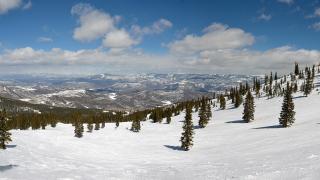
Colorado’s spiritual landscape blends indigenous, historic, and modern traditions. The state hosts diverse religious practices rooted in its unique history. Understanding this context is crucial for respectful engagement with local sites. Sacred sites include the Great Stupa of Dharmakarma in Red Feather Lakes. The Great Sand Dunes hold deep cultural significance for 18 tribes. These areas serve as vital grounds for healing rituals. The high country above 8,000 feet offers profound spiritual experiences. Its majestic peaks and thin air create ideal conditions for meditation. This environment supports contemplative practices across various traditions. Visitors encounter a blend of ancient and contemporary spiritual expressions. This diversity reflects the state’s complex cultural heritage. Each location offers a distinct perspective on the divine. The landscape itself serves as a sacred space for reflection.
Sacred Geography: Indigenous Sites and Natural Sanctuaries
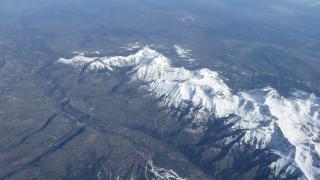
Natural landscapes hold deep spiritual significance for Indigenous communities. Blanca Peak holds specific sacred status for the Navajo people. The Great Sand Dunes serve as cultural property for eighteen tribes. These sites support healing rituals and traditional practices. The Great Stupa in Red Feather Lakes represents Buddhist tradition. Garden of the Gods holds significance for the Ute people. Crestone offers an interfaith sanctuary for diverse spiritual practices. These locations are active centers of spiritual practice. They are not merely tourist attractions. Visitors must approach these sites with reverence. Respect for the cultural and spiritual importance is essential. The high country above 8,000 feet offers contemplative space. Thin air and vast vistas enhance meditative experiences. This region serves as a living testament to diverse traditions. Travelers should honor the sacred nature of these places. Spiritual connection requires mindful and respectful engagement with the land.
Historic Churches and Interfaith Centers
St. John’s Church stands as a significant cultural landmark in Colorado. These historic institutions offer programs that support spiritual growth and community engagement. The architecture reflects the state’s diverse religious heritage. Visitors are encouraged to approach these sites with respect. It is important to be mindful of their cultural and religious significance. The buildings serve as active centers for local communities. They preserve the history of faith in the region. Many structures remain open for quiet reflection. This environment supports personal spiritual practice. The design often incorporates local materials. This connection to place enhances the spiritual experience. The sites maintain their historical integrity while serving modern needs. They provide a space for contemplation and peace. This balance preserves the sacred nature of the location. The community continues to value these historic spaces. They remain central to the local spiritual landscape.
Modern Spiritual Centers and Meditation Centers
Modern centers offer meditation and yoga programs. Crestone hosts an interfaith sanctuary. The Great Stupa of Dharmakaya stands in Red Feather Lakes. These sites welcome diverse spiritual seekers. Visitors approach with an open, respectful mind. The Great Sand Dunes serve as a sacred space. Indigenous traditions remain central to the landscape. Centers provide structured classes for public engagement. Participants explore growth through guided practice. The environment supports quiet reflection and peace. Colorado’s high country offers unique spiritual conditions. Thin air enhances the meditative experience. Centers maintain a balance of tradition and modernity. Visitors are encouraged to learn and observe. This approach fosters deep, personal spiritual growth.
Practical Guide to Visiting Spiritual Sites
Visitors must dress appropriately at all sacred sites. Speak quietly to maintain a respectful atmosphere. Adhere strictly to specific rules established at each location. The Great Stupa in Red Feather Lakes offers a distinct Buddhist environment. The Garden of the Gods presents unique geological features significant to the Ute people. The Great Sand Dunes hold deep cultural value for many tribes. Always consider the environmental impact of your visit. Leave no trace to protect these natural sanctuaries. Respect the spiritual significance of the land for all. Your mindful actions help preserve these special places. This care ensures the sites remain intact for future generations. Always check specific guidelines before visiting any specific site. Respect local customs and traditions at every location.