


Entry Documentation Standards
Travelers must present valid identification for entry. Domestic flights require a REAL ID by May 7, 2025. This applies to all passengers boarding domestic flights. Acceptable forms include a state-issued driver's license. A valid U.S. passport is also acceptable. International visitors must have a valid passport. Visa requirements depend on the country of origin. Citizens of Visa Waiver Program countries must obtain an ESTA. This electronic authorization is required before flying. Colorado does not impose additional state entry restrictions. Travelers should check specific visa rules for their nationality. Denver International Airport serves as the primary entry point. Other regional airports include those in Colorado Springs. Eagle County and Aspen also offer access points. Road travel is viable but weather-dependent. Winter conditions can impact travel reliability. Always verify current federal guidelines before traveling. State laws do not override federal immigration rules. Ensure all documents are current and valid. Check for any specific local health mandates. These may change based on public health conditions. Always carry identification at all times. This is a standard requirement for entry. Verify specific requirements for your specific travel needs. Plan ahead to ensure a smooth entry process. Colorado welcomes visitors with clear entry standards.
State Taxation Obligations
Colorado imposes complex sales tax structures on travelers. The base state rate is 2.9%. Local jurisdictions add significant percentages. Combined rates often exceed 8%. Some mountain resorts charge extra fees. These fees fund local infrastructure projects. Travelers must pay these charges at checkout. Retailers collect the tax directly from buyers. Receipts serve as proof of payment. Always retain these documents for records. Disputes may arise over tax inclusion. Verify if prices include all taxes. Some items may be exempt from sales tax. Food and medicine often qualify for exemptions. Check specific store policies for details. Lodging taxes apply to all stays. Hotels charge additional fees for services. These fees are mandatory and non-negotiable. Budget extra funds for these costs. Ignorance of local tax laws is not a defense. Plan your budget to include all applicable taxes. This ensures a smooth financial experience. Always check current rates before booking. Tax laws can change without notice. Staying informed prevents unexpected financial burdens. Always verify the total cost before payment. This protects your travel budget effectively.
Transportation and Vehicle Laws
Renters must present a valid driver’s license and an International Driving Permit. Colorado law mandates this for non-U.S. license holders. Seat belts are required for all passengers in moving vehicles. Children under eight must use appropriate child safety restraints. Specific height and weight guidelines determine proper restraint type. Winter driving often requires tire chains on mountain passes. Chain laws activate during heavy snow or ice events. Drivers must carry chains in their vehicles during winter months. Colorado enforces a zero-tolerance policy for underage drinking and driving. The legal blood alcohol concentration limit is 0.08 percent for adults. Drivers under twenty-one face stricter limits and penalties. Open container laws prohibit consuming alcohol in the vehicle cabin. This applies to both drivers and passengers in moving cars. Violations result in significant fines and potential license suspension. Law enforcement strictly monitors compliance on all state highways. Denver and mountain regions enforce these rules consistently. Failure to comply can lead to immediate vehicle impoundment. Always check current chain requirements before traveling to high elevations. Winter storms can change road conditions rapidly. Adhering to these laws ensures safe travel across the state. Ignorance of these statutes does not excuse legal penalties.
Outdoor Activity Regulations
Backcountry camping often requires specific permits. The Colorado Backcountry Permit system manages access. You must register online before arrival. Fees vary by location and season. Some wilderness areas limit group sizes. Always check current regulations before traveling.
Hunting and fishing demand valid licenses. The Colorado Parks and Wildlife agency issues these. Residents and non-residents must purchase separate tags. Violations result in heavy fines and license revocation. Season dates are strictly enforced. Check specific zone rules for each activity.
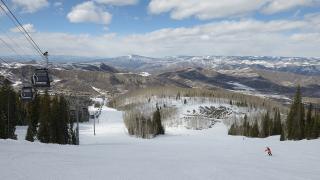
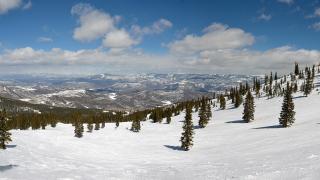
The Colorado Ski Safety Act governs downhill skiing. Skiers must stay in control of their speed. You must yield to downhill skiers. Signage indicates hazards and trail difficulty. Failure to comply may affect liability claims. Always wear appropriate safety gear.
Drone usage faces strict federal and state restrictions. The FAA regulates all unmanned aircraft systems. Launching from federal lands requires additional permits. Many Colorado parks prohibit drone flights entirely. Violations can lead to substantial penalties. Always verify local airspace rules before flying. Respect wildlife and other visitors at all times.
Emergency and Public Safety Protocols
Colorado law enforces mandatory evacuation orders during emergencies. Refusing to leave designated zones constitutes a misdemeanor offense. Authorities may impose fines or arrest violators immediately. Public alcohol consumption remains strictly prohibited in all public spaces. This includes streets, parks, and sidewalks throughout the state. Violations result in citations and potential legal penalties. Travelers must register with local emergency management systems. This ensures you receive timely alerts during crises. Contact 911 for immediate medical or police assistance. Non-emergency lines handle routine public safety inquiries. Medical evacuation costs in mountainous regions are exceptionally high. Standard health insurance often lacks adequate coverage for remote areas. Comprehensive travel insurance is essential for financial protection. It covers helicopter rescues and specialized medical transport. Verify policy limits before engaging in high-altitude activities. Winter storms frequently disrupt travel and emergency services. Prepare for extended delays in isolated mountain communities. Local authorities prioritize safety over convenience during disasters. Follow all official instructions without delay. Ignoring public safety directives carries significant legal consequences. Always carry identification and emergency contact information. Stay informed about current weather and road conditions. Colorado’s rugged terrain demands strict adherence to safety laws.