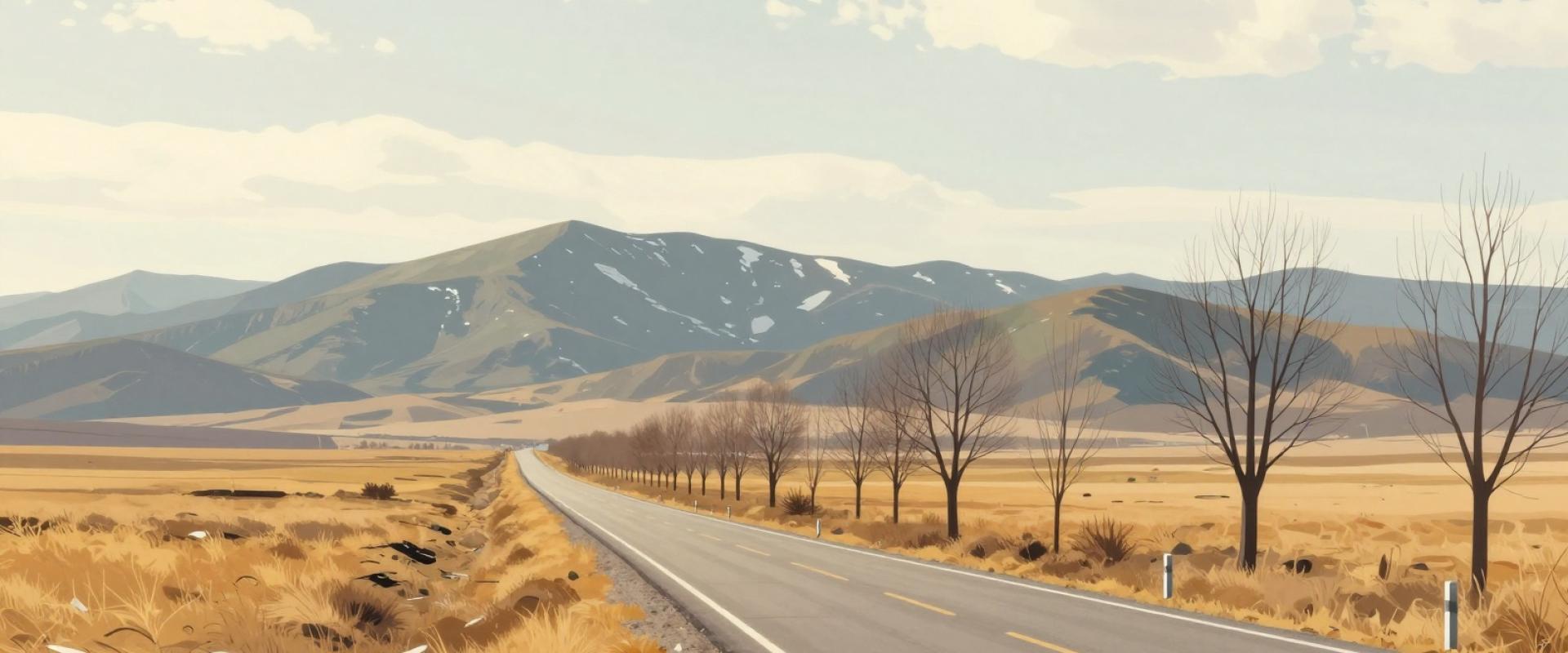
AI-generated illustration
Alamosa Cultural Heritage
Two-day cultural tour of Alamosa, Colorado
2 days
•
Moderate difficulty
•
Est. $120
Practical Information
Alamosa is best visited between May and October, when daytime temperatures are mild and the risk of afternoon thunderstorms is lower. While summer offers the most reliable weather, it is also the peak tourist season, requiring advance bookings. Spring and fall provide cooler temperatures and fewer crowds, but visitors should be prepared for sudden weather changes, including rain or unexpected snow, especially at higher elevations.
Reaching Alamosa is straightforward via U.S. Highway 285, which connects the town to major hubs like Denver and Alamosa. For those arriving by air, the closest major airport is in Denver, approximately three hours away, though the smaller Alamosa County Airport (SAA) offers limited regional service. Once in town, the area is compact and walkable, but a car is essential for exploring the surrounding natural attractions, such as the Great Sand Dunes. Public transportation options are limited, so renting a vehicle is the most practical way to navigate the region and access remote trailheads or state parks.
Accommodation options are concentrated in the downtown area and along the main corridors, offering a mix of budget motels, boutique inns, and vacation rentals. Staying in the downtown area is recommended for its walkability and proximity to local restaurants and shops. For those seeking a more immersive experience, cabin rentals in the surrounding rural areas provide a quieter retreat, though they may require a longer drive to access amenities. It is advisable to book accommodations well in advance, especially during the summer months, to secure the best rates and availability.
Budget considerations should include not only accommodation and meals but also costs for activities, such as entrance fees for state parks or equipment rentals for sandboarding. While dining out can be expensive, budget-conscious travelers can save by opting for local markets and self-catering options. It is also wise to budget for fuel, as gas stations may be sparse in remote areas.
When packing, bring layers to accommodate the significant temperature fluctuations between day and night, especially in the high desert climate. Sturdy hiking boots, sun protection, and reusable water bottles are essential. Additionally, consider bringing binoculars for stargazing, as the area is known for its clear night skies, and a camera to capture the unique landscapes. Always check local weather conditions and park regulations before heading out to ensure a safe and enjoyable experience.
Book your stay
More Itineraries
1 day
Best of Breckenridge
One-day tour of Breckenridge's alpine peaks and historic downtown.
View Itinerary →