Practical Information
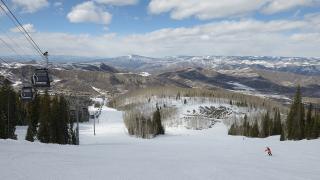
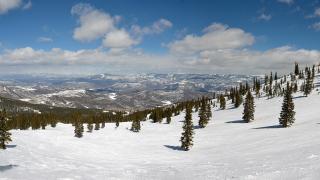
The optimal time to visit Colorado for this itinerary is late June through early October. During these months, high-elevation trails in the Rocky Mountains are typically free of snow, and daytime temperatures are mild, ranging from 60°F to 80°F. However, weather is highly volatile; afternoon thunderstorms are common in July and August, so plan outdoor activities for early morning. Winter months (November–March) offer excellent skiing but limit access to high-altitude trails due to snow and ice, while spring can bring muddy conditions and unpredictable temperature swings.
Transportation is best handled by renting a vehicle, as public transit is limited outside of Denver. A standard car is sufficient for paved roads, but a vehicle with higher clearance is recommended if you plan to explore unpaved forest service roads or access remote trailheads. Gas stations are sparse in rural areas, so fill up whenever you see a station, especially when traveling through the San Juan Mountains or the western slope.
Accommodation should be booked well in advance, particularly for June through September, as this is peak season. Stay in gateway towns like Estes Park, Glenwood Springs, or Telluride to minimize daily driving time. Options range from budget-friendly campgrounds and hostels to mid-range motels and boutique hotels. For a balance of cost and convenience, consider booking cabins or vacation rentals in towns like Steamboat Springs or Buena Vista, which offer easy access to multiple trailheads.
Budget considerations should account for the high cost of lodging and food in tourist hubs. While camping is a cost-effective alternative, it requires advance reservation for sites in national parks. Budget for higher meal prices in tourist areas, as groceries and dining can be 20–30% more expensive than in urban centers. Consider packing some non-perishable snacks and breakfast items to reduce daily expenses.
Pack layers, including moisture-wicking base layers, insulated mid-layers, and a waterproof jacket. Even in summer, temperatures can drop significantly at higher elevations, so bring warm layers for evenings. Sturdy hiking boots, sun protection (hat, sunglasses, sunscreen), and insect repellent are essential. Always carry extra water, as dehydration is a risk at high altitudes.
Important tips include acclimatizing to the higher altitude by staying hydrated and avoiding strenuous activity on the first day. Check weather forecasts daily, as conditions can change rapidly. Respect wildlife by keeping a safe distance and storing food properly. Always check for fire restrictions and trail closures before heading out. Finally, practice Leave No Trace principles by packing out all trash and staying on designated trails to protect the fragile alpine environment.