Practical Information
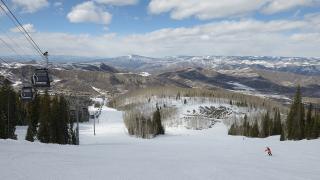
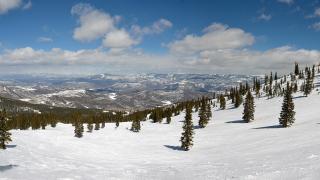
The optimal time to visit Colorado is between June and September, when weather conditions are most favorable for outdoor activities. During these months, daytime temperatures in the mountains typically range from 60°F to 80°F, though temperatures drop significantly at higher elevations. Summer is the peak tourist season, so advance booking is essential. Winter offers excellent opportunities for skiing and snowboarding, while spring and fall provide fewer crowds but unpredictable weather, including potential snow in higher elevations.
Travel to Colorado is most accessible via Denver International Airport, the primary hub for the state. From there, renting a car is highly recommended, as public transportation is limited outside major urban centers. The itinerary involves significant mileage, covering diverse landscapes from the Rocky Mountains to the western slopes. Travelers should plan for substantial driving, with daily drives often exceeding 100 miles. It is crucial to account for altitude changes, as many destinations are located at high elevations.
Accommodation options vary, with recommended stays in areas like Glenwood Springs and Durango for a more immersive local experience. These locations offer a range of lodging options, from budget-friendly motels to luxury resorts. For those seeking a more adventurous experience, camping is a viable option, particularly in national parks. When booking, consider the trade-off between cost and convenience; staying in smaller towns may offer better value and a more authentic experience, while staying in larger cities may provide more amenities and dining options.
Budget considerations should include not only accommodation and transportation but also meals, park entrance fees, and activity costs. While some tour packages include meals, many do not, so budget accordingly. It is advisable to set aside a contingency fund for unexpected expenses, such as additional meals, souvenirs, or emergency services.
When packing, bring layered clothing to accommodate changing weather conditions, including warm layers for high elevations and rain gear for unexpected showers. Sturdy hiking boots, sunscreen, and sunglasses are essential. Additionally, carry plenty of water and snacks, as facilities may be limited in remote areas.
Important tips for travelers include acclimatizing to the higher altitude, especially if coming from sea level. Stay hydrated, avoid strenuous activity on the first day, and be aware of the signs of altitude sickness. Respect local wildlife by maintaining a safe distance and following park regulations. Finally, be prepared for variable weather conditions, even in summer, by packing layers and rain gear.