
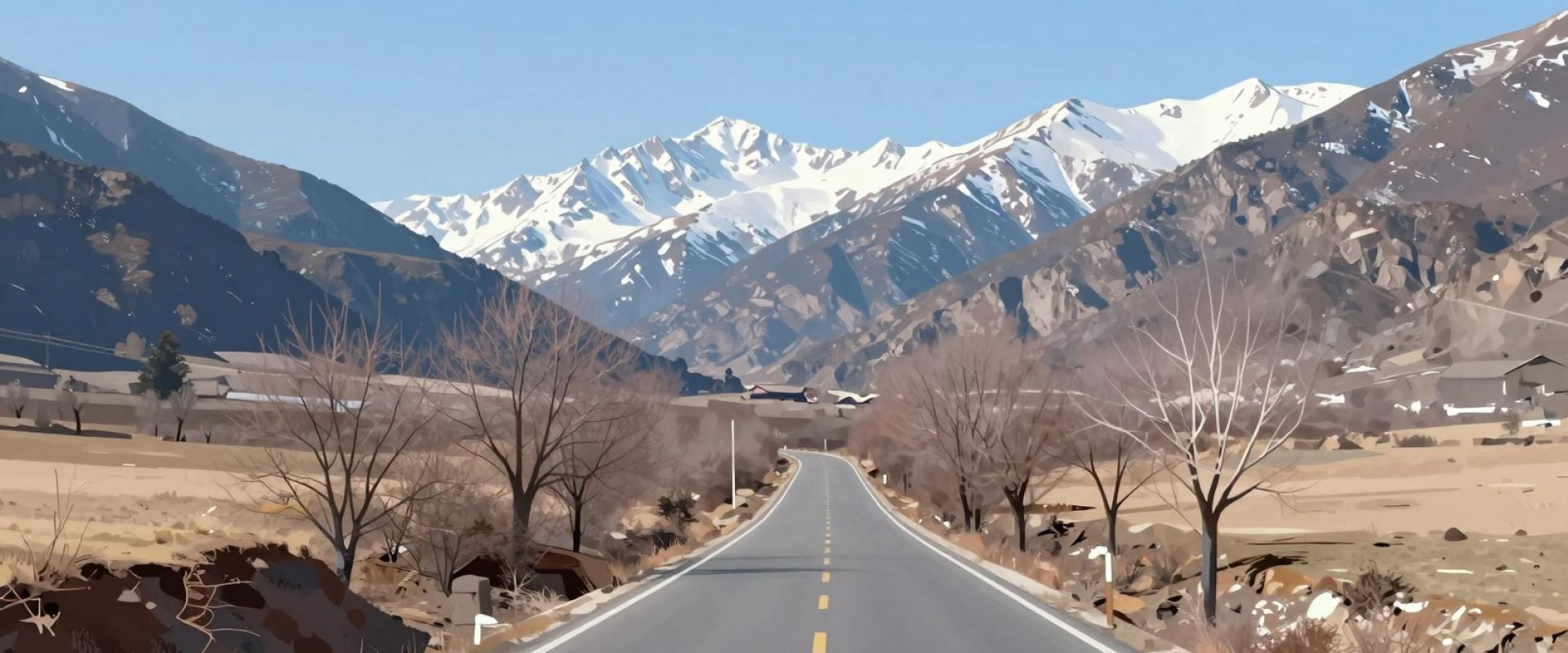
AI-generated illustration
Discovering Mt. Crested Butte
One-day exploration of Crested Butte, Colorado
1 day
•
Easy difficulty
•
Est. $60
Practical Information
Mt. Crested Butte offers a distinct seasonal rhythm, with the optimal visiting window spanning from late June through September. During these months, daytime temperatures are typically pleasant, ranging from 60°F to 75°F, though nights can drop significantly, requiring layers. Winter visits are viable for snow sports, but summer and early fall provide the most accessible conditions for hiking and outdoor exploration. Travelers should be prepared for rapid weather changes, including afternoon thunderstorms common in the summer months, and pack accordingly with rain gear and warm layers for evening coolness.
Access to the area is primarily via the Gunnison County Airport (E38), located just a few miles from town, or by driving through the scenic Mount Crested Butte Road. For those arriving by air, rental cars are highly recommended, particularly 4x4 vehicles, to navigate the mountain roads and higher elevations safely. Local transportation is limited, so having a vehicle is essential for exploring the surrounding areas, including the Gothic area and Kebler Pass. Public transportation options are limited, so planning around your vehicle’s availability is crucial.
Accommodation options are concentrated in the villages of Crested Butte and Mount Crested Butte, as well as the nearby town of Gunnison. Staying in the village offers walkable access to shops and restaurants, while rural lodges provide a more secluded experience. It is advisable to book well in advance, especially during the peak summer and fall seasons, as accommodations fill up quickly. Budget considerations should include not only lodging but also dining, which ranges from casual cafes to upscale restaurants, and activity fees for guided tours or equipment rentals.
When packing, bring layers to accommodate changing weather conditions, including warm clothing for cooler evenings and rain gear for potential afternoon storms. Sturdy hiking boots, sunscreen, and insect repellent are essential for outdoor activities. Additionally, consider bringing a reusable water bottle and snacks for day trips, as facilities may be limited in remote areas.
Important tips for travelers include acclimatizing to the high altitude, which can reach over 10,000 feet, by staying hydrated and taking it easy on the first day. Respect the natural environment by following Leave No Trace principles, staying on marked trails, and being aware of wildlife. Check local weather forecasts and road conditions before heading out, and be prepared for limited cell service in some areas. Always carry essential items such as a map, compass, and first-aid kit when exploring the wilderness.
Book your stay
More Itineraries
1 day
Best of Breckenridge
One-day tour of Breckenridge's alpine peaks and historic downtown.
View Itinerary →
7 days
Best of Colorado in a Week
Seven-day journey through Colorado's diverse landscapes
View Itinerary →