Practical Information
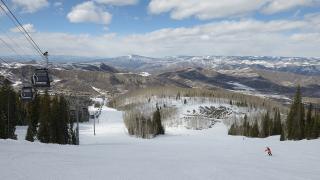
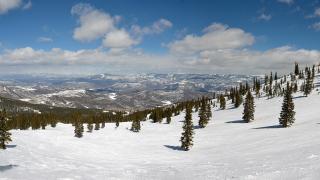
Breckenridge is accessible year-round, but the optimal time for a weekend getaway depends on your preferred activities. Winter, from late November to April, offers the best conditions for skiing and snowboarding, with deep snowpack and festive atmosphere. Summer and fall are ideal for hiking, mountain biking, and enjoying mild weather, though summer can bring afternoon thunderstorms. Regardless of the season, check local weather forecasts, as high-altitude conditions can change rapidly.
For transportation, the most common approach is to fly into Denver International Airport (DEN), located approximately 70 miles away. From DEN, you can take the free Breckenridge Express shuttle, which takes about 90 minutes to reach town, or rent a car for greater flexibility. If you choose to drive, be prepared for mountain roads; in winter, chains or all-terrain tires are often required, and driving conditions can be hazardous. Once in Breckenridge, the historic downtown is walkable, and free town shuttles provide easy access to the slopes and main street.
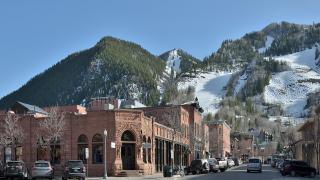
Accommodation options are concentrated in the downtown area and the base of the mountain. Staying in the historic downtown district is highly recommended for its walkability, offering easy access to restaurants, bars, and the base of the ski slopes. Alternatively, you can choose condos or hotels in the base area, which often include ski-in/ski-out access. Booking well in advance is crucial, especially during peak winter months and holiday weekends, as accommodations fill up quickly.
Budget considerations should account for the high cost of lift tickets, which are often more expensive at peak times. Consider purchasing multi-day passes in advance to save money. Additionally, budget for gear rental if you do not have your own equipment, as well as meals and lodging. While some restaurants are upscale, there are also affordable options, including casual dining and fast-casual spots.
When packing, prioritize warm, layered clothing suitable for high-altitude conditions, including insulated jackets, waterproof boots, and thermal layers. Sunscreen and sunglasses are essential due to the intense UV radiation at high altitudes. Bring reusable water bottles to stay hydrated, and consider packing gloves, hats, and neck gaiters for extra warmth. Always check the weather forecast before your trip to ensure you are prepared for the specific conditions you will encounter.