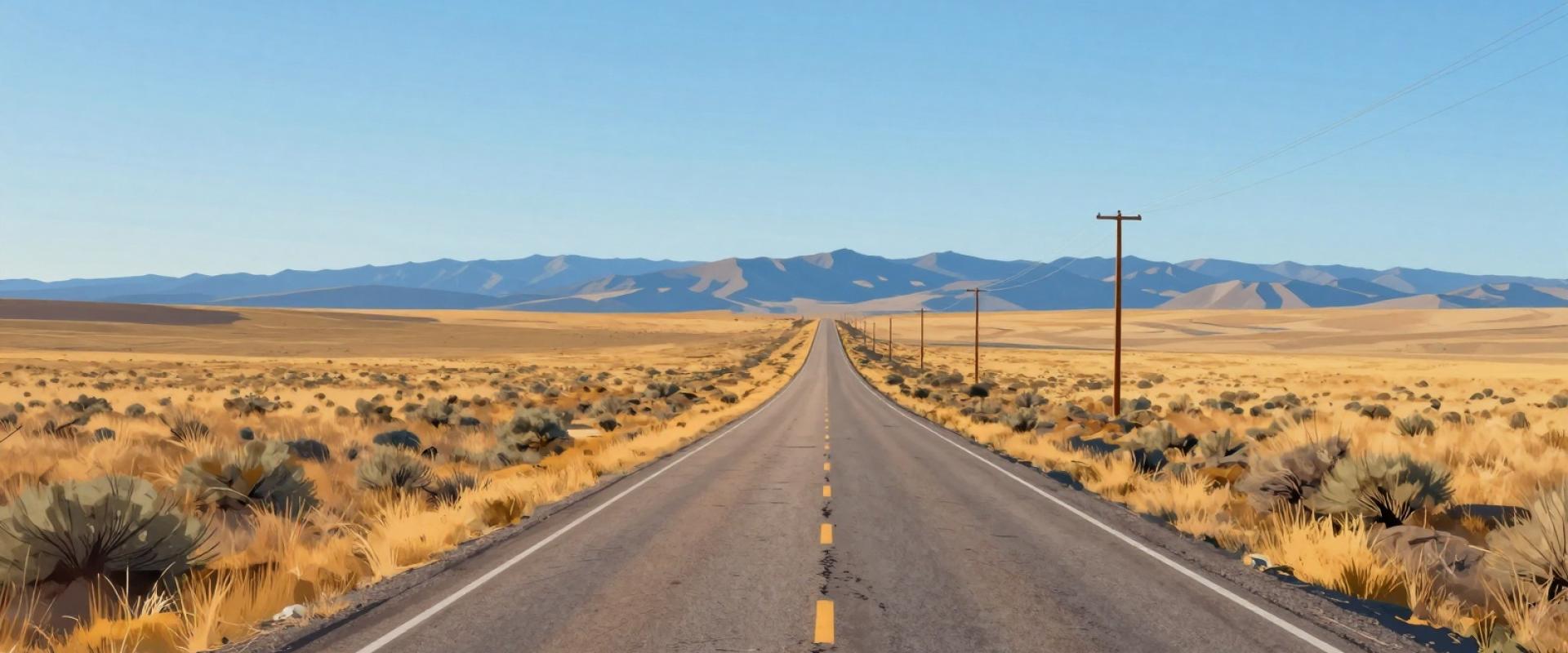
AI-generated illustration
Best of Gateway
One-day exploration of Colorado's gateway region
1 day
•
Easy difficulty
•
Est. $60
Practical Information
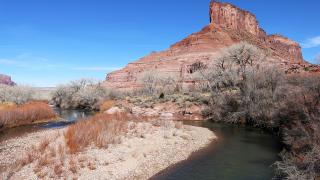
Gateway, Colorado, is a remote destination located in the western part of the state, approximately 100 miles west of Grand Junction. The best time to visit is during the spring (April to May) or fall (September to October) when temperatures are mild and the iconic red rock formations are most accessible. Summer months can be extremely hot, with temperatures often exceeding 90°F, while winter can bring snow and ice, potentially making unpaved roads difficult to navigate. Travelers should check weather conditions and road closures before arriving, as weather can change rapidly in the high desert environment.
Getting to Gateway requires a car, as public transportation is not available in this remote area. The most common route is via Interstate 70 west to Grand Junction, followed by a drive on Highway 6 and State Highway 141. The drive from Denver takes approximately four to five hours, while the trip from Grand Junction is about one hour. Once in the area, a high-clearance vehicle is recommended, especially if planning to explore backcountry roads or access trailheads for hiking and climbing. Standard sedans may struggle with unpaved, rocky, or muddy sections of the road.
Accommodation options in Gateway are limited due to its small size. The town offers a few motels, bed and breakfasts, and campgrounds, but they can fill up quickly, especially during peak seasons like spring and fall. It is essential to book accommodations well in advance. For those seeking more flexibility, nearby towns such as Montrose or Grand Junction offer a wider range of lodging options, though they are about 30 to 40 minutes away.
Budget considerations should include not only accommodation and food but also vehicle rental and fuel costs, which can be higher in remote areas. Entrance fees for nearby state parks, such as the Gates of the Monument, are relatively affordable, but visitors should bring their own food and water, as dining options are limited. It is advisable to carry extra cash for tips, souvenirs, and emergency expenses.
When packing, bring sturdy hiking boots, sun protection, and layers of clothing to accommodate temperature changes. Essential items include a hat, sunglasses, sunscreen, and plenty of water. Additionally, carry a basic first-aid kit, a map, and a charged phone, as cell phone service can be unreliable in remote areas. It is also recommended to inform someone of your travel plans and expected return time.
Book your stay
More Itineraries
1 day
Best of Breckenridge
One-day tour of Breckenridge's alpine peaks and historic downtown.
View Itinerary →