

Whispers of the Pines: The Ascent
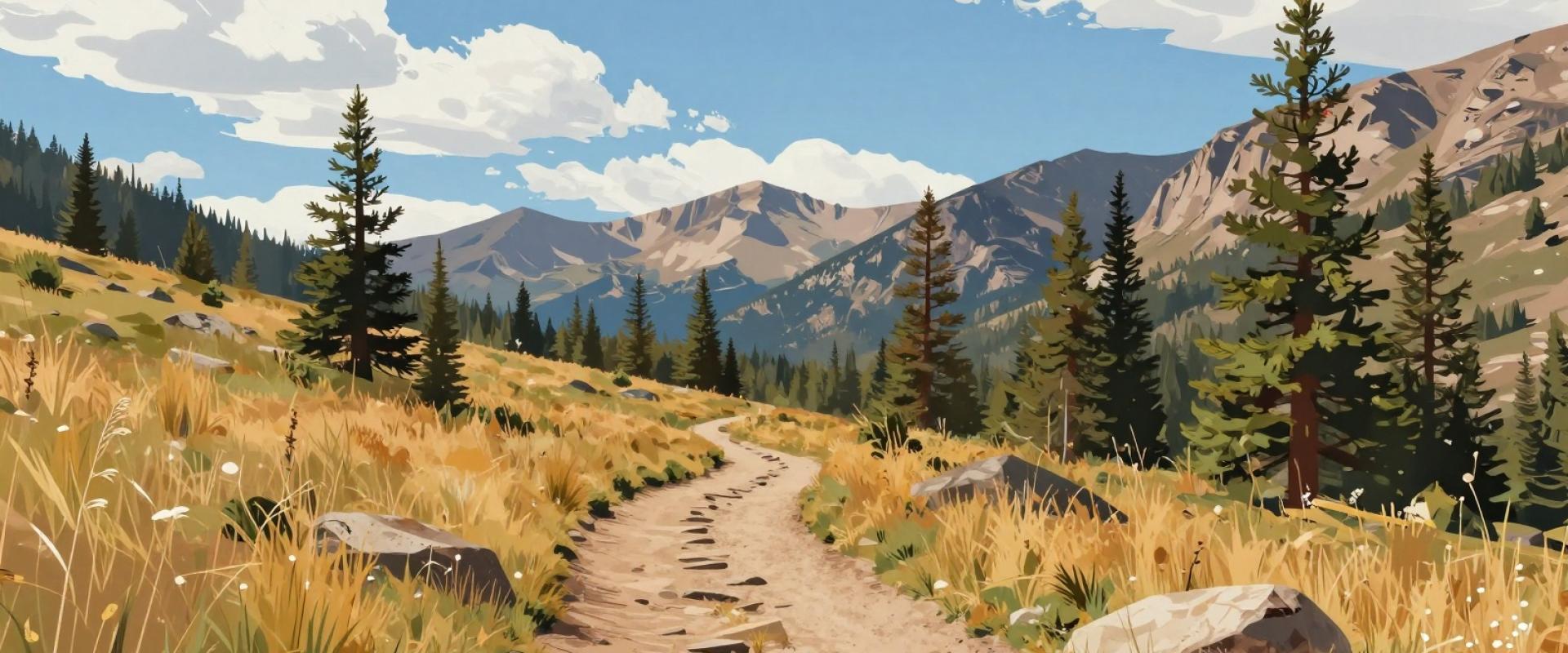
At 9,000 feet, the air changes texture. It becomes thinner, crisper, and significantly more demanding of your breath. This is not a place for rushing; it is a place that requires you to recalibrate. As you step onto the trail, the initial tightness in your chest is a normal physiological response to the thinning atmosphere, not a failure of stamina. Let go of the urge to force your way through. Instead, let your breathing slow to match the rhythm of the pine needles crunching beneath your boots. Here, the silence is not empty; it is a living, breathing entity. It is filled with the subtle rustle of aspen leaves and the distant, sharp call of a bird. This is not merely a walk; it is a quiet dialogue with the mountain. Trust the process. Take your time. Let the stillness guide you forward.
The Alpinist’s Compass: Gear and Respect
The trailhead at Bear Creek Lake offers a deceptive calm, masking the volatile nature of the high-altitude environment that awaits above. Colorado’s climate is unforgiving, characterized by sudden, biting temperature shifts that can catch the unprepared off guard. Sturdy footwear is not a luxury here; it is a necessity. The loose, unstable scree that defines these rugged paths demands a stable base, and a single misstep can turn a peaceful hike into a precarious scramble.
Layering is not just about comfort; it is a survival strategy. The sun may warm the air, but the wind strips heat away with ruthless efficiency. This is not a place for casual attire. The guide here is simple: prepare for the worst, hope for the best, and respect the land’s authority. You are stepping into a landscape that has existed for millennia, far older and more powerful than your fleeting presence. Your gear is your only shield against the elements. Choose wisely, for the mountains do not forgive carelessness. The true measure of a successful hike is not the summit, but the safe return.
Trails of the Ancients: A Dialogue with History
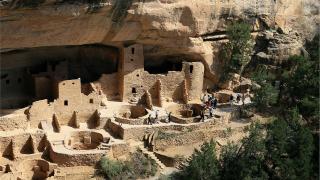
Colorado’s high country offers more than a physical workout; it offers a tether to deep time. Long before modern boots scuffed these soils, Ute ancestors navigated these rugged elevations, leaving behind petroglyphs that whisper stories older than memory. When you lace up your boots, you are stepping into a lineage of travelers who have walked these same stone-strewn paths for centuries.
This is not merely exercise; it is a communion. Pause to trace the rough texture of the ancient rock, feeling the chill that seeps into your bones. Listen to the wind hissing through the pine needles, a sound that has echoed through these valleys for generations. Treat the land with the same reverence you would offer a sacred space. Honor the connection by staying on designated trails and leaving no trace. As you move, let the quietude settle into your bones. Walk slowly, with an open heart, and let the land speak to you.
The Alpine Lake: A Moment of Stillness
The air turns crisp as the dense pine canopy gives way to the exposed, stony grit of the alpine tundra. Above, the sky is a heavy, silent witness, pressing down with a presence that feels both vast and intimate. You step onto the trail, the crunch of gravel replacing the hum of the world below.
Then, the view opens. You see the turquoise lake, sitting like a polished gem, its surface mirroring the jagged, gray peaks that guard the horizon. The cold bites at your cheeks, but a quiet warmth spreads through your chest. Here, time seems to suspend. The only sounds are the whisper of wind through the grass and the distant, faint call of a bird. You stand still, absorbing the grandeur. The mountains do not speak, yet they communicate everything. This is the true essence of Colorado: a reminder that peace is not given, but found in the stillness.
The Return: A Careful Descent
The descent is often more technically demanding than the climb. Your knees take the brunt of the impact, absorbing the shock of gravity with every step downward. This phase requires a sharper focus; a single misstep on loose scree can undo hours of steady progress. Pause frequently to check your footing, letting the rhythm of your boots guide you rather than your momentum.
The trailhead is not just a destination, but a promise kept. Honor the mountain’s pace, and the journey will end safely, leaving you with a story of success rather than a lesson in injury. As you step off the trail, take a moment to look back. The lake is still there, the trees are still standing, and the air is still thin. You have not just visited this place; you have touched it. And in that touch, you carry a piece of the high country with you, long after you have returned to the world below.