

Whispers of the Ute and the Gold Rush
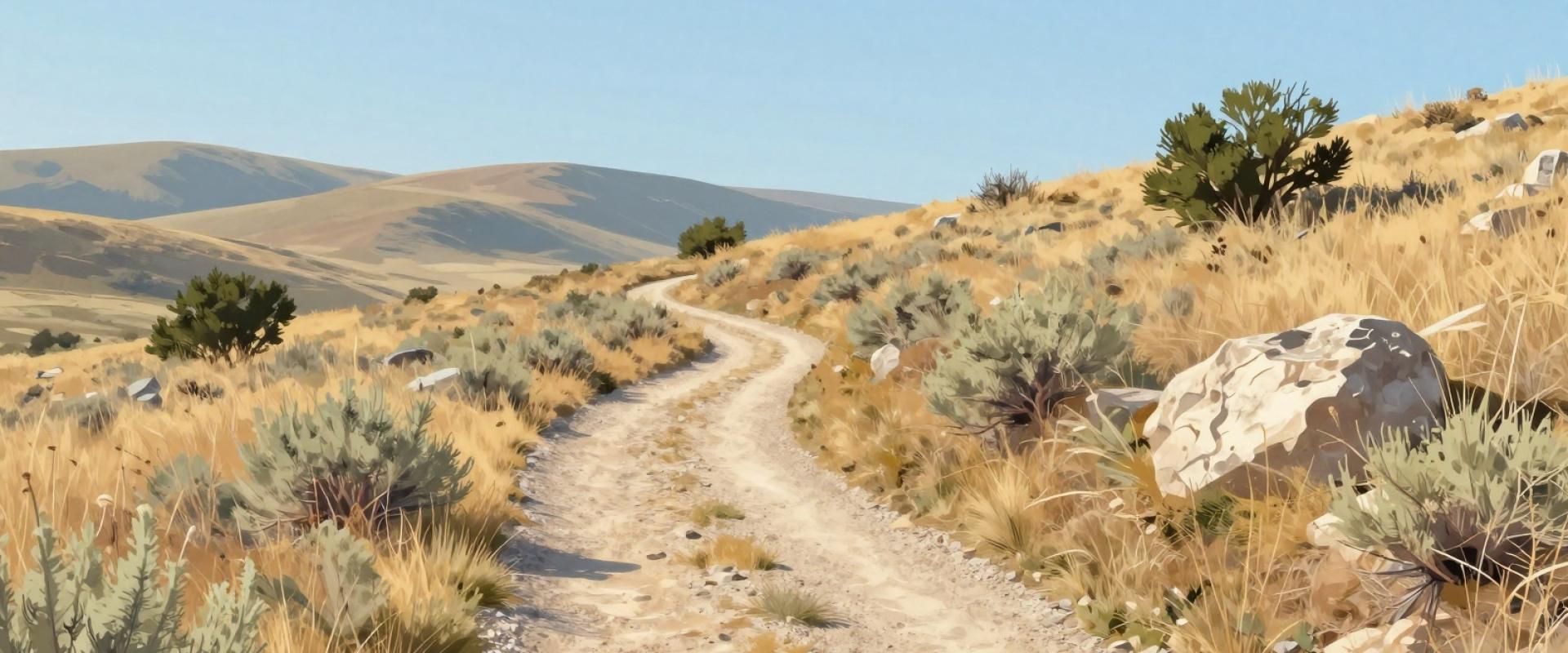
High-altitude air has a way of thinning out the noise, leaving only the raw, crisp truth of the landscape. Here, the silence isn’t empty; it is layered. Beneath the sparse sagebrush and granite outcrops, the ground remembers. It holds the compacted dust of Ute hunting parties who tracked elk through these valleys centuries ago, long before the first pickaxe struck the bedrock in search of gold.
You are not merely hiking a trail; you are walking through a timeline. The path winds past ancient petroglyphs and rusted remnants of mining camps, offering a tangible connection to the people who carved their stories into this rugged terrain. Each step requires mindfulness, not just for safety, but for respect. When you pause to catch your breath, listen closely. The wind moving through the pine needles carries whispers of that complex, often turbulent history.
This experience demands curiosity. It asks you to look closer at the lichen clinging to stone, a silent witness to generations of change. By understanding the context—the struggle, the ambition, the cultural shifts—you transform a simple walk into a profound dialogue with the past. Let that knowledge ground your journey, ensuring that your presence here honors the depth of the story beneath your boots.
Front Range Footprints: Accessible Horizons
For those new to the high country, the landscape offers a gentle invitation. The Garden of the Gods Park, located just a short drive from downtown Colorado Springs, offers a paved 1.1-mile loop that is fully accessible to wheelchairs and strollers. This route provides a smooth, flat introduction to the region’s iconic red rock formations, including the dramatic Cathedral Spires and the Three Graces. It is a perfect entry point for families or travelers seeking the visual impact of the Front Range without the physical strain of a steep ascent.
Further north, the view from the Flatirons Vista Trail offers a different perspective. While the trail itself is short, the vista it provides over the Boulder skyline is expansive. These accessible paths prove that you do not need to scale high peaks to experience the grandeur of the Rocky Mountains. They serve as a gentle introduction to the geology and atmosphere of the region, inviting visitors to connect with the land at a comfortable, sustainable pace.
Beyond the Peaks: Diverse Ecosystems
Colorado’s landscape stretches far beyond its famous snow-capped summits, revealing a tapestry of diverse ecosystems that can be explored with minimal elevation gain. At Great Sand Dunes National Park, the experience is defined by contrast. Here, North America’s tallest sand dunes rise dramatically against the backdrop of the Sangre de Cristo Mountains. A one-mile interpretive loop allows visitors to traverse this unique environment, where the soft, shifting sands meet the rigid, ancient stone of the Sangre de Cristo range. It is a striking visual paradox that highlights the dynamic nature of the state’s geology.
For a cooler respite, the trail to Zapata Falls offers a refreshing change. The hike is short, leading to a 70-foot waterfall where the water cascades into deep, cool pools. It is an ideal spot to cool off after a warm day, offering a sensory contrast to the dry heat of the high desert. Meanwhile, the area around Maroon Bells, while often associated with high-altitude trekking, offers accessible loops around its iconic lakes. These waters mirror the surrounding peaks with striking clarity, providing a serene counterpoint to the rugged terrain. Each of these locations offers a distinct way to engage with the state’s natural heritage, requiring no expert mountaineering skills, only a willingness to explore.
Gear, Timing, and the Art of Preparation
The key to enjoying Colorado’s diverse landscapes lies in preparation and timing. The state’s high altitude is no joke; even a short walk can feel more strenuous than a similar distance at sea level. It is essential to acclimatize. Upon arrival, spend a day in lower-elevation areas like Denver or Boulder, allowing your body to adjust to the thinner air before attempting higher elevations. Skipping this step often leads to headaches and fatigue, dampening the experience before it truly begins.
Timing is equally critical. The optimal window for exploration is from May through October. During these months, the weather is generally stable, and high-elevation trails are accessible. However, mountain weather is unpredictable. Even in summer, a sunny morning can turn into a stormy afternoon within minutes. Layering is essential. Wear moisture-wicking base layers, insulating mid-layers, and a waterproof outer shell. Sturdy boots with good traction are non-negotiable, whether you are walking on paved paths or shifting sand.
Hydration is your primary defense against the thin air. Carry more water than you think you need—often more than a liter per hour of activity. A basic first aid kit, including blister treatment and sunscreen, should be lightweight but always present. For those seeking beauty without brute force, the interpretive loop at Great Sand Dunes is ideal. It showcases the unique geology without demanding excessive exertion, allowing you to absorb the landscape at a comfortable pace. Remember, comfort in the mountains relies on thorough preparation, not luck.
Stepping Forward with Confidence
You do not need to summit a fourteen-er to feel the weight of Colorado’s scale. Consider the paved loop at Garden of the Gods. For a modest entry fee, you can stand before the Cathedral Spires, witnessing raw, geological majesty without battling thin air or steep inclines. This accessibility does not diminish the experience; it broadens it, allowing a wider range of people to connect with the land.
At Great Sand Dunes, a one-mile path tells a different story. Here, towering dunes meet mountain backdrops, revealing the state’s geological quirks through sand and stone. These trails, typically under three miles long, let you spot intricate details—the way light hits the dunes at sunset, or the resilience of desert flora in harsh conditions—without the exhaustion of high-altitude mountaineering. Building confidence is a slow burn. It requires patience. Move gently. Listen to the quiet hum of the trail and notice how the vegetation shifts with every few steps. This gradual exposure cultivates a deep, quiet respect for the land.
Your journey starts with a single step on solid ground. Embrace the simplicity. These accessible paths lay the foundation for a lifetime of exploration. The Centennial State is waiting, offering not just views, but understanding. Walk softly. Learn the story. The past is present here. Let it guide your steps. This is where culture meets the trail. Begin with curiosity. End with knowledge. The path is clear. The history is deep. You are here now. Stay mindful.