
The High-Altitude Threshold
The air thins at ten thousand feet, a subtle but unmistakable shift that signals the Rocky Mountains are no longer asking for your attention—they are demanding it. Your breathing quickens as your body confronts lower oxygen levels, a visceral reminder that you have entered a demanding environment where nature sets the rules.
This elevation requires patience rather than force. Proper hydration becomes your most vital tool, helping your system adjust without panic. Rushing the process only invites headaches or fatigue, so let your pace dictate the rhythm of the hike. Acclimatization is a gradual negotiation with the landscape; moving slowly allows your physiology to catch up with the terrain, turning potential discomfort into steady, manageable exertion. Embrace this slower tempo as part of the experience, not an obstacle to overcome.
Ten Gentle Giants: A Ranked Pathway
The Rockies command respect, yet they welcome the curious traveler with accessible beginnings. We begin at Red Rocks Amphitheatre near Morrison, where paved paths accommodate every mobility level amidst ancient red sandstone. Just north, Chautauqua Park in Boulder invites you to wander gentle slopes beneath the Flatirons, uncovering layers of Ute heritage along the way.
Fort Collins’ Horsetooth Reservoir offers wide, stable trails ideal for steady walking right along the water’s edge. In Colorado Springs, Garden of the Gods provides free entry to paved routes winding through striking red rock formations, a geological wonder carved by wind and water over millennia. Steamboat Springs’ Lake Haynieha presents flat, serene terrain perfect for quiet reflection amidst the mountains, offering a rare moment of stillness.
Each location honors the land through conservation ethics, ensuring minimal impact for future visitors. These trails are well-marked and safe for first-time hikers, connecting you to Colorado’s history without demanding steep climbs. Mountain weather shifts quickly, so pack layers and carry water even on short walks. Start slowly, breathe in the altitude, and walk with intention to truly feel the landscape.
Gear and Grace: Preparing for the Peak
The thin air above ten thousand feet doesn’t care about your confidence, so let your gear speak for you. Sturdy, broken-in boots become your most vital ally, sparing your feet from the sharp sting of blisters on jagged, steep inclines. Weather here turns on a dime, shedding warmth as quickly as it arrives. You’ll want to dress in layers that trap heat without trapping sweat, ensuring your body stays regulated as the temperature plummets.
Carry at least two liters of water per person, because dehydration strikes faster than you might expect at elevation. Fuel that journey with calorie-dense snacks like trail mix or energy bars, keeping your energy levels steady when the climb gets tough. Leave the fragile alpine ecosystem undisturbed by packing out every scrap of waste you bring with you. This simple act of stewardship preserves the wild beauty for everyone who follows, protecting the quiet majesty of the high country.
When you step back to take in the panoramic view, let the sense of accomplishment settle in. You’ve prepared well, moved safely, and earned the right to enjoy the breathtaking scenery responsibly.
Seasons of Stone and Snow
Spring in the high country is a muddy, melting mess. Snow hangs heavy on the peaks well into May, turning trails into sticky slush. Hikers must navigate carefully, watching for hidden ice beneath the slurry that can turn a gentle walk into a slip-and-slide.
Summer afternoons bring sudden, violent thunderstorms. Early starts become non-negotiable to avoid lightning strikes on exposed ridges. The heat builds quickly, demanding ample water and sun protection as the UV index intensifies at altitude. By September, the air turns crisp and clear. Aspen groves ignite in brilliant gold, contrasting sharply with dark evergreens. The stable weather and cooler temperatures make this the peak season for photography and leisurely hikes.
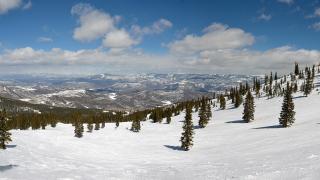
Winter transforms the landscape into a silent, frozen world. Temperatures plummet below zero at altitude, requiring insulated layers and microspikes for traction. Gear selection here isn't just about comfort; it is a matter of survival. Always check the forecast before departure. The mountains change rapidly, and preparation is the only way to navigate Colorado’s diverse and demanding terrain safely.
Your First Step Forward
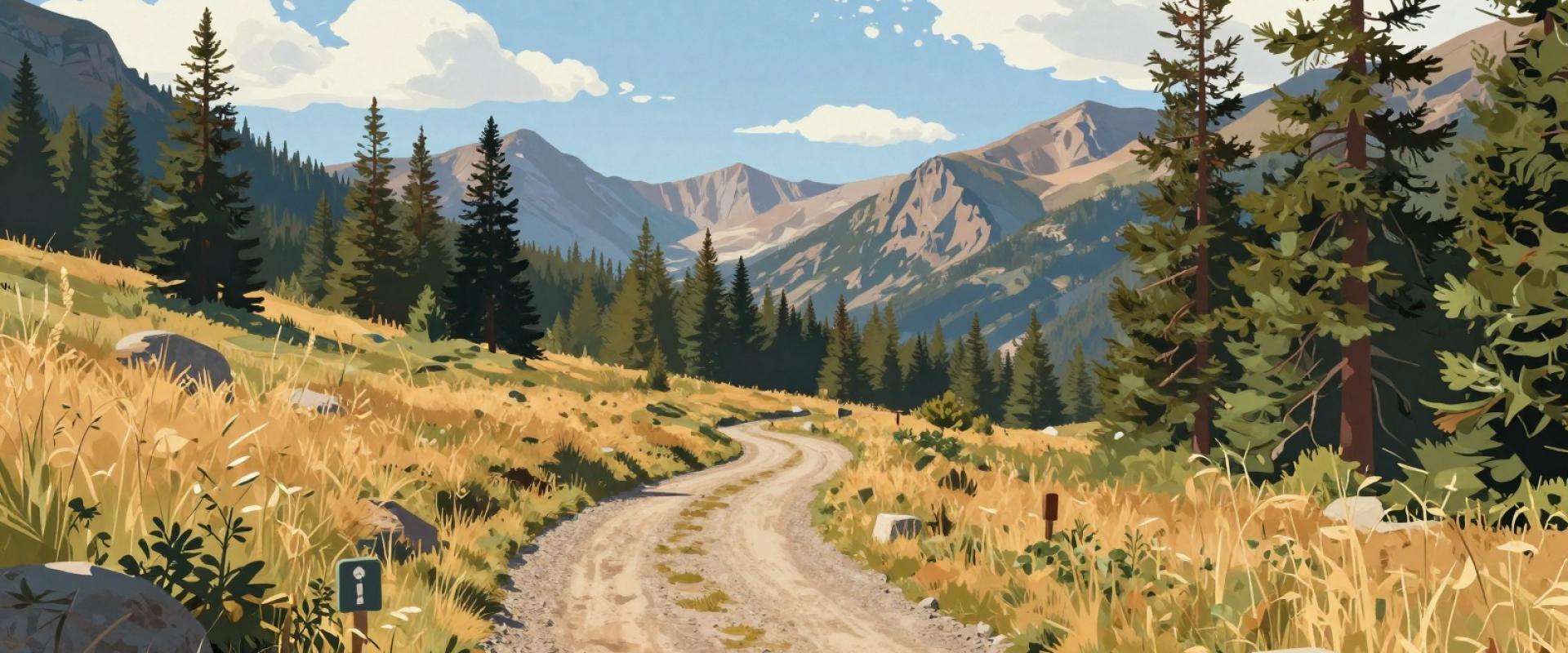
Begin with the accessible 3.8-mile Lake Haynieha loop, a manageable introduction to Colorado’s high-altitude terrain. This path offers a gentle rhythm, allowing you to acclimate without the pressure of steep climbs. Embracing minimal impact practices ensures these trails remain pristine for future generations. Preparation forms the foundation of safety in crowded outdoor spaces. Let the Centennial State reveal its depth at your own pace, finding not just a view, but a connection.