
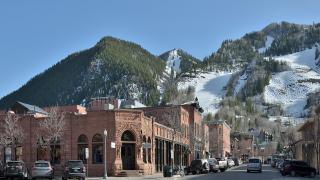



Colorado’s rental market is highly competitive. Urban hubs like Denver face intense demand. Mountain towns experience similar pressure during peak seasons. Securing a long-term lease requires early preparation. You should begin searching two to three months in advance. This timeline helps secure suitable housing before inventory depletes. Distinguish clearly between short-term and annual lease options. Short-term rentals offer flexibility for initial relocation. Annual leases provide stability for long-term residents. Understanding this distinction is crucial for budgeting. Rent prices vary significantly by location. Urban centers typically command higher rates. Rural areas may offer more affordable alternatives. However, availability is often limited. Research local market trends thoroughly. Verify lease terms before signing. Ensure the contract aligns with your needs. Proactive planning is essential for success. Delaying your search can limit options. Prioritize finding a home that fits your budget. This approach ensures a smooth transition. Careful preparation reduces stress during the move. Thorough research is the key to securing stable housing in Colorado.
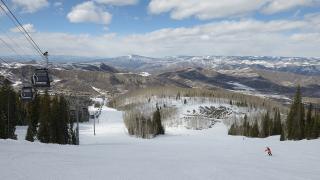
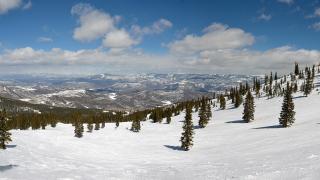
Colorado’s high altitude creates distinct seasonal weather patterns. These conditions directly impact utility costs for long-term residents. Winter months bring heavy snow to mountain regions. Heating needs increase significantly during these cold periods. Tenants must verify if heating costs are included in rent. Many leases separate utility payments from base rent. This structure requires careful budgeting for monthly expenses. High-altitude climate impacts heating needs more than other regions. Residents should check for dual-fuel discounts on utilities. These discounts can lower overall monthly living costs. Understanding local utility structures is essential for budgeting. It prevents unexpected financial strain during cold winters. Always review lease terms regarding utility responsibilities. This ensures clarity on who pays for heating. Proper planning helps manage the high cost of living. It ensures financial stability throughout the harsh winter months.
Evaluating Lease Terms and Flexibility
Review lease terms carefully before signing. Colorado law requires specific disclosures for long-term stays. Check for clear termination clauses in the contract. Understand all fees before signing the agreement. Early termination fees may apply if you leave early. These costs can be significant in high-demand areas. Document the property condition upon move-in. Take dated photos of all existing damage. This evidence protects your security deposit later. Ensure all repairs are noted in writing. Verbal agreements are difficult to enforce later. Read the entire lease before signing. Pay attention to maintenance responsibilities. Know who pays for utilities and repairs. Clear terms prevent future disputes. Always keep a copy of the signed lease. This document is your primary legal protection. Verify all contact information for the landlord. Ensure you have a direct line to management. Clear communication prevents small issues from escalating. Review the lease renewal terms early. Negotiate new terms before the current lease expires. Do not assume automatic renewal applies. Always get any changes in writing. This protects your rights as a tenant.
Setting Up Utilities and Internet
Contact providers directly for electricity and internet. Accounts do not transfer automatically. You must open new accounts. Plan installation dates carefully. Remote areas may have limited provider options. Verify coverage in rural mountain regions. Internet installation can take weeks. Schedule service before moving in. Utility costs vary by season. Winter heating increases monthly bills. Plan budget for higher winter costs. Contact providers early to secure slots. Wait times can be significant. Ensure service is active upon arrival. Do not assume automatic transfer. Verify all account details in advance. This prevents service gaps. Plan ahead for a smooth transition. Colorado's terrain requires careful planning. Remote locations need extra time. Urban areas offer faster setup. Choose providers based on coverage. Check availability in your specific area. This ensures reliable service. Plan carefully to avoid disruptions. Long-term stays require stable utilities. Plan ahead for peace of mind.
Integrating into the Local Community
Join local clubs based on personal interests. Colorado offers diverse groups for outdoor enthusiasts. Hiking and skiing clubs are common in mountain towns. Engage with the community through local businesses. Support the local economy by shopping locally. Visit independent bookstores and coffee shops in Denver. These venues foster community connections. Attend local events to meet residents. Many towns host weekly markets or festivals. These events provide opportunities for social engagement. Integrate into the community by participating regularly. Interact with neighbors at local gatherings. Building relationships takes time and consistency. Engage with the community through shared interests. Join clubs that align with your hobbies. This approach facilitates meaningful connections. Long-term residents often find community through shared activities. Support local businesses to strengthen community ties. This action supports the local economy. It also fosters a sense of belonging. Integrate into the local community by engaging actively. This approach enhances the long-term stay experience. Colorado’s diverse communities offer various integration opportunities. Engage with the local culture to enhance your experience.