The High-Altitude Promise
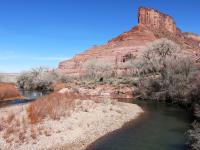
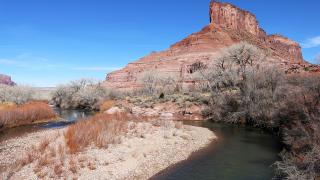
Colorado offers inland swimming, distinct from coastal salt water. Alpine lakes provide crystal clear, cold water. This environment requires specific preparation. Swimmers face unique altitude challenges. The air is thin and dry. Water temperatures remain low year-round. Most Front Range reservoirs are drinking sources. Swimming is often prohibited to protect quality. You must check local regulations strictly. Some areas allow swimming, others do not. Always verify access rules before visiting. The landscape features towering, rugged peaks. These frame the serene, high-altitude atmosphere. The experience is serene yet physically demanding. You must respect the natural environment. Plan for cold water and high sun. Prepare for rapid weather changes. The setting is unique to the Rockies. It differs significantly from coastal beaches. Always check specific lake rules. Verify if swimming is permitted. Respect the local ecosystem. The high altitude affects physical exertion. Stay hydrated and aware of conditions. The experience is distinct and challenging. It requires careful planning and respect. Always prioritize safety in the high country.
The Alpine Lake Experience
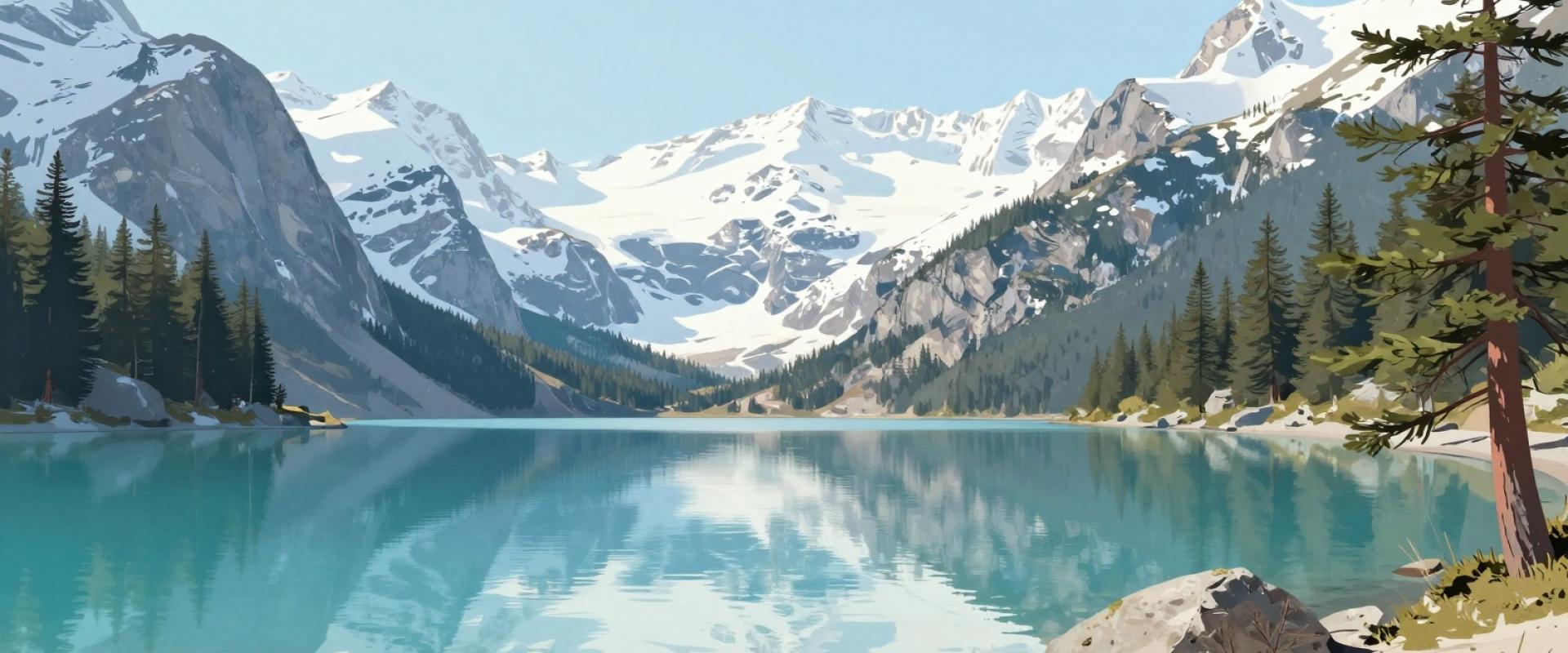
Alpine lake water remains cold year-round. Temperatures rarely exceed fifty degrees Fahrenheit. This cold environment demands specific preparation. Swimmers must wear wetsuits for thermal protection. The high-altitude setting adds physical challenge. Lower oxygen levels increase exertion during the swim. Visual beauty accompanies the physical effort. Clear, turquoise waters reflect surrounding mountain peaks. This unique high-elevation landscape defines the Colorado experience. The cold water provides a refreshing, invigorating shock. It is not a leisurely, warm soak. Swimmers must respect the cold and the altitude. Preparation is essential for safety in these conditions. The environment is beautiful but physically demanding.
Rivers and Reservoirs
Colorado’s rivers flow with powerful, fast-moving water. This current creates a dynamic, high-energy swimming environment. Swimmers must navigate strong currents and cold temperatures. The experience is physically demanding and requires caution. In contrast, reservoirs offer a calmer, more controlled setting. These man-made lakes provide stable, accessible swimming conditions. Families often prefer reservoirs for their gentle, safe waters. Many front-range reservoirs restrict swimming to protect water quality. Swimmers must check local regulations before entering the water. Some areas prohibit swimming entirely to protect water quality. Always verify specific lake rules before visiting. This ensures a safe and legal swimming experience. The contrast between river and reservoir swimming is distinct. Choose based on your skill level and comfort. Always prioritize safety and local guidelines when swimming.
Colorado’s high altitude intensifies solar radiation. UV exposure increases significantly at elevation. Sunscreen with high SPF is essential. Reapply frequently to prevent severe burns. The sun reflects off water surfaces, increasing exposure. Protective clothing provides necessary additional shielding. Cold water temperatures persist in alpine lakes. Water remains cold even in summer months. Hypothermia is a risk for unprepared swimmers. Wear appropriate thermal protection like wetsuits. Weather in the mountains changes rapidly. Afternoon thunderstorms are common and dangerous. Lightning strikes pose a serious threat. Check forecasts before entering the water. Sudden storms can create hazardous conditions. Always monitor sky conditions while swimming. Be prepared to exit the water quickly. Safety depends on awareness of changing weather. Respect the unique high-altitude environment. Plan activities around safe weather windows. Prioritize sun protection and weather awareness.
Planning Your Alpine Swim
Colorado’s inland waters offer distinct swimming opportunities. Most front-range reservoirs are drinking sources. Swimming is often prohibited to protect water quality. Always check local regulations before entering the water. Many lakes are designated as no-swimming zones. Plan your trip around specific, legal access points. Drive times vary significantly from Denver. Check gate access hours for each location. Wildlife is common in these alpine environments. Be aware of local wildlife and take precautions. Cold water temperatures are standard year-round. Wear appropriate thermal protection for safety. Verify current rules for each specific lake. Regulations change frequently based on water levels. Always verify access rules before your visit. Ensure you have the correct permits. Respect local wildlife and their habitats. Stay alert to changing weather conditions. Prepare for cold water immersion at all times. Safety is the primary concern for all swimmers. Plan carefully to ensure a safe experience.